Shoman-in Aizendo
Aizen-san
Researched and translated with AI assistance. Every claim is linked to its source, but errors get through, so check the official site for opening times, fees and closures.About
In short
Founded by Prince Shotoku in 593 on the site of his dispensary — called the birthplace of welfare work — and known for the binding of ties and harmony between husband and wife.
Quick facts
- Address
- 5-36 Yuhigaokacho, Tennoji-ku, Osaka
About this place
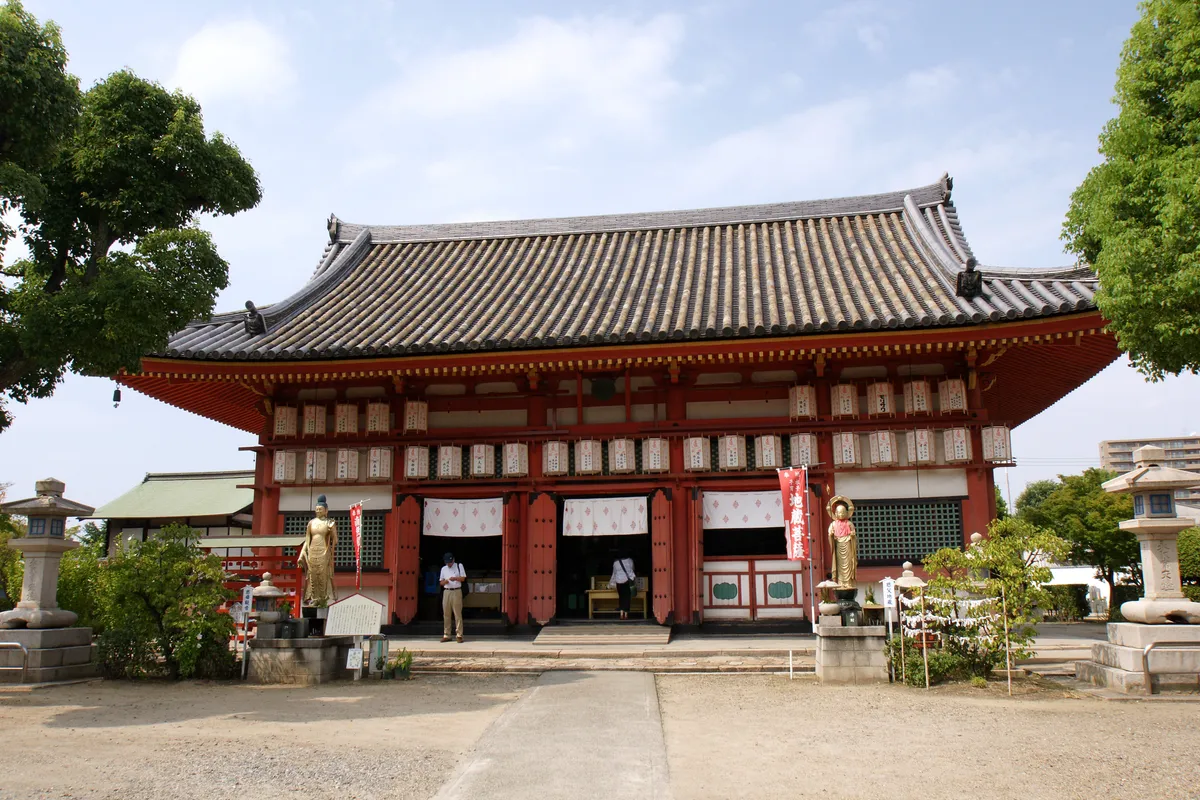
Shoman-in Aizendo is in Tennoji, Osaka, a temple founded by Prince Shotoku in 593. It stands on the site of the dispensary among the four institutions Shotoku established, and is called the birthplace of welfare work. Its many-treasure pagoda was rebuilt by Toyotomi Hideyoshi in 1597 and is an Important Cultural Property. The temple is described as a power spot with strong blessings for the binding of ties, the fulfilment of good matches, harmony between husband and wife, and prosperity in business, and the image of Aizen Myoo is opened to view at the New Year.
Origin and history
Shoman-in Aizendo is a temple founded by Prince Shotoku in 593.
It stands on the site of the dispensary among the four institutions Shotoku established, and is called the birthplace of welfare work.
Its many-treasure pagoda was rebuilt by Toyotomi Hideyoshi in 1597 and is an Important Cultural Property.
What it is locally associated with
Ties, good matches, marital harmony
Described as a power spot with strong blessings for the binding of ties, the fulfilment of good matches, harmony between husband and wife, and prosperity in business.
documented historyThe dispensary site
Founded by Prince Shotoku in 593, on the site of the dispensary among his four institutions, and called the birthplace of welfare work.
documented historyHideyoshi’s pagoda
The many-treasure pagoda was rebuilt by Toyotomi Hideyoshi in 1597 and is an Important Cultural Property.
documented history
This temple calls itself the birthplace of welfare work. The reason is the ground: the dispensary among Prince Shotoku’s four institutions stood here. Shitenno-ji, elsewhere on this list, writes that the work of those four institutions is still running. So the temple that carries on the work and the site where one of them stood are in the same city.
What the temple names as its blessings is four things: the binding of ties, the fulfilment of a good match, harmony between husband and wife, and prosperity in business. That the first three sit separately means the before, the joining, and the after are each counted on their own.
The many-treasure pagoda in the grounds was rebuilt by Hideyoshi in 1597 and is an Important Cultural Property — a building of 1597 standing on ground that began in 593.
Claims and evidence levels 3
- Shoman-in Aizendo was founded by Prince Shotoku in 593 and stands on the site of the dispensary among his four institutions, called the birthplace of welfare work. documented history
- It is described as a power spot with blessings for the binding of ties, good matches, harmony between husband and wife, and prosperity in business. documented history
- Its many-treasure pagoda was rebuilt by Toyotomi Hideyoshi in 1597 and is an Important Cultural Property. documented history
Related guides
- How to visit a shrine or temple in JapanThe country-wide basics: purifying at the water basin, the two-bows-two-claps-one-bow form at shrines, and what temples do instead.
- What a "power spot" actually isA modern Japanese coinage, not a traditional religious category. Where the word came from, what it does and does not claim, and why this site uses it anyway.
- Shrine or temple?A shrine is Shinto and a temple is Buddhist, and you can usually tell at the gate. Why the line is cleaner on paper than on the ground, and what a government order in 1868 has to do with it.
- Omamori, ema, omikuji and goshuinThe four things you are most likely to receive, write, draw or be given at a shrine or temple, what each is actually for, and the one of them people most often get wrong.
Sources
- 勝鬘院愛染堂 — Shoman-in Aizendo (accessed 2026-08-14)
Last updated:
Similar places
8 places
 Shrine
Tsuyu no Tenjinsha
- Exams & Study
- Health & Healing
- Love & Romance
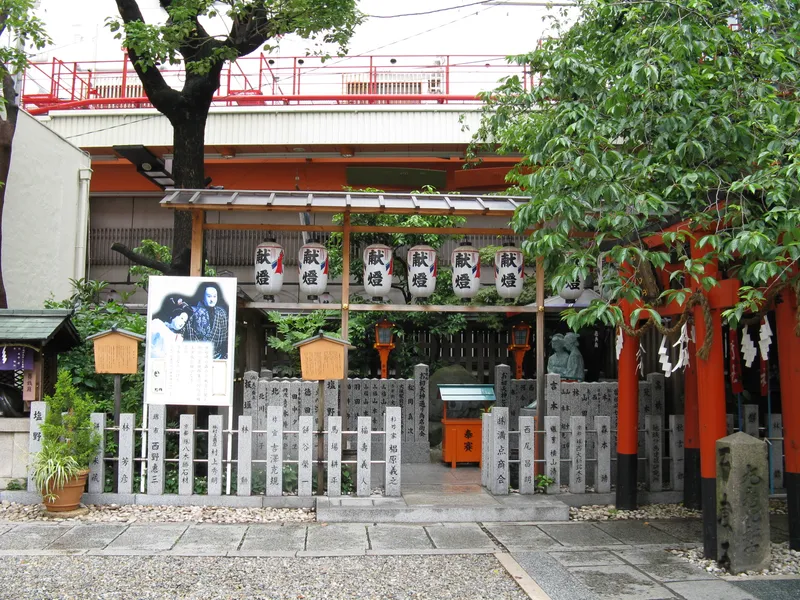
An old shrine of thirteen centuries whose grove was the scene of the double suicide behind Chikamatsu’s play, and where people now come to ask for love to come true.
 Shrine
Yuki Jinja
- Fertility & Children
- Love & Romance
- Money & Prosperity
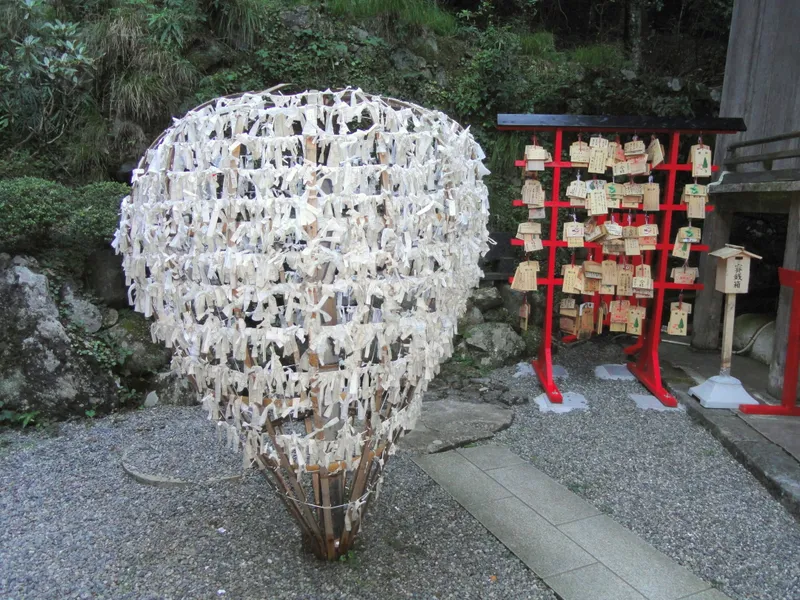
Once kept inside the imperial palace as a guardian of the court, and the shrine whose fire festival re-enacts the night its deity was moved to Kurama.
 Shrine
Kifune Jinja
- Love & Romance
- Money & Prosperity
- Protection & Safety
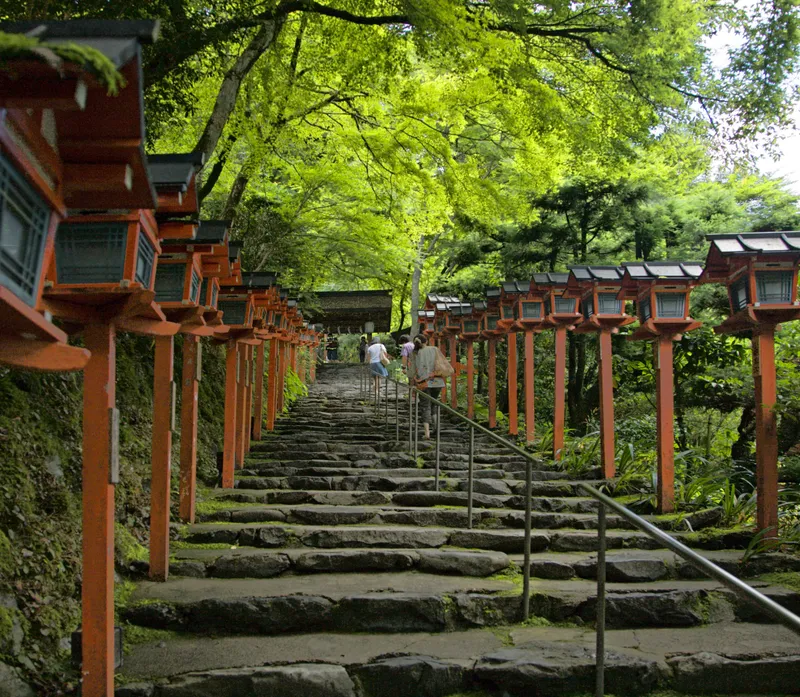
A shrine to Kifune Okami, the deity governing the supply of water — and long famous as the shrine of love, with a subordinate shrine to a deity of matchmaking.
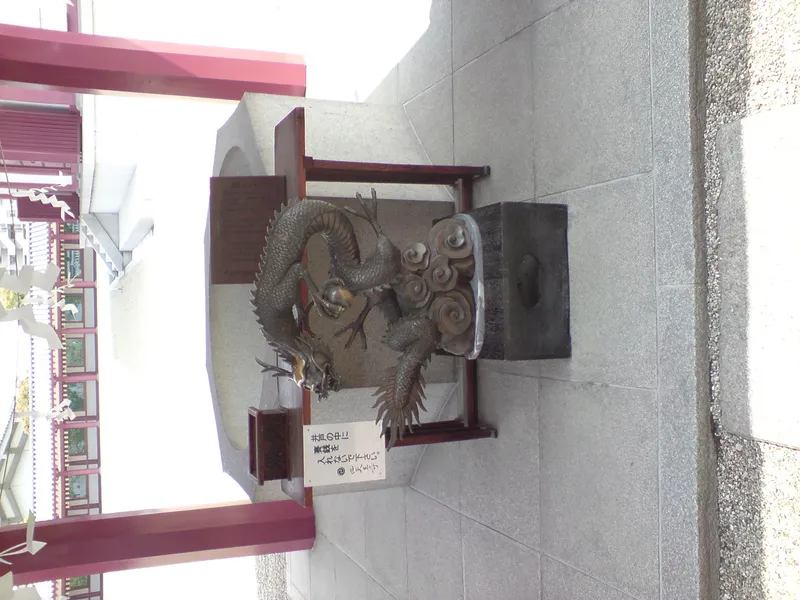 Temple
Shitenno-ji
- Health & Healing
- Money & Prosperity
Founded in 593 when Prince Shotoku made good on a battlefield vow — Japan’s first official state temple, still praying daily for recovery from illness and prosperity in business.
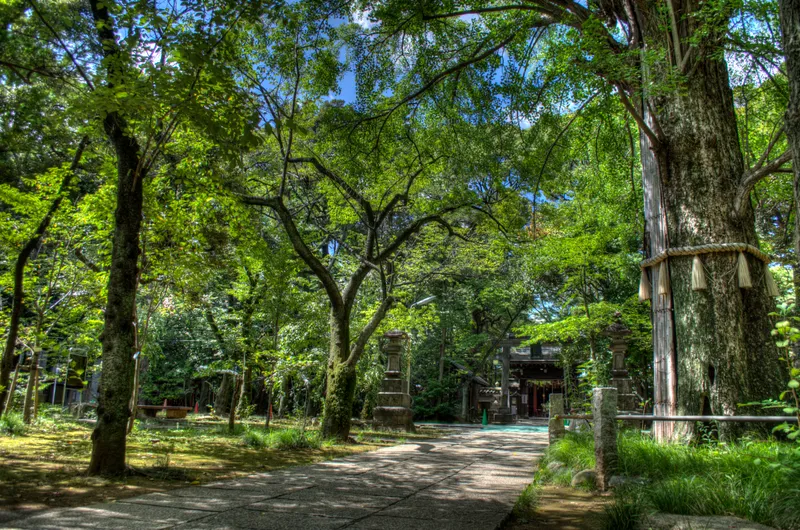 Shrine
Akasaka Hikawa Shrine
- Family & Home
- Love & Romance
- Money & Prosperity
A Minato shrine founded in 951 whose Edo-period buildings survived both the earthquake and the war, known for warding off misfortune and for the tying of bonds, and the shrine explains why it is known for each.
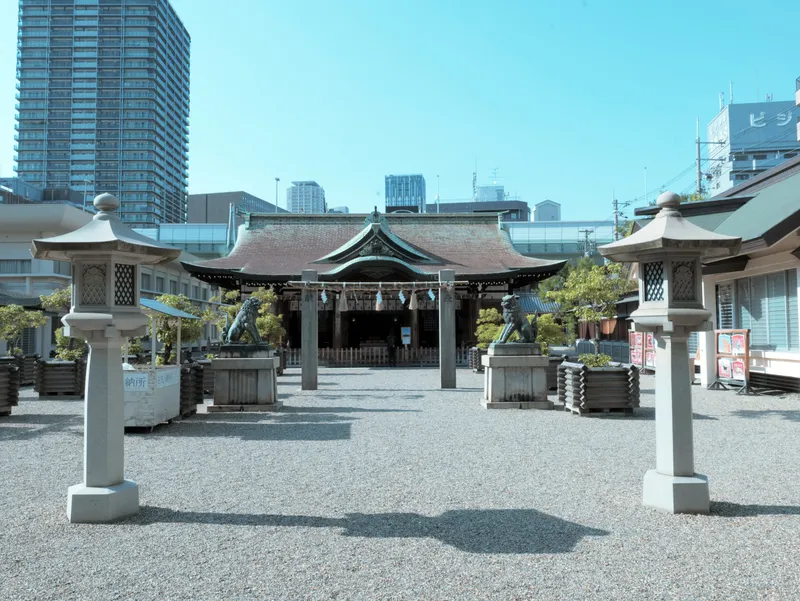 Shrine
Imamiya Ebisu Jinja
- Money & Prosperity
Founded in 600 as the guardian deity of a marketplace, and revered since as a protector of prosperous trade and full good fortune.
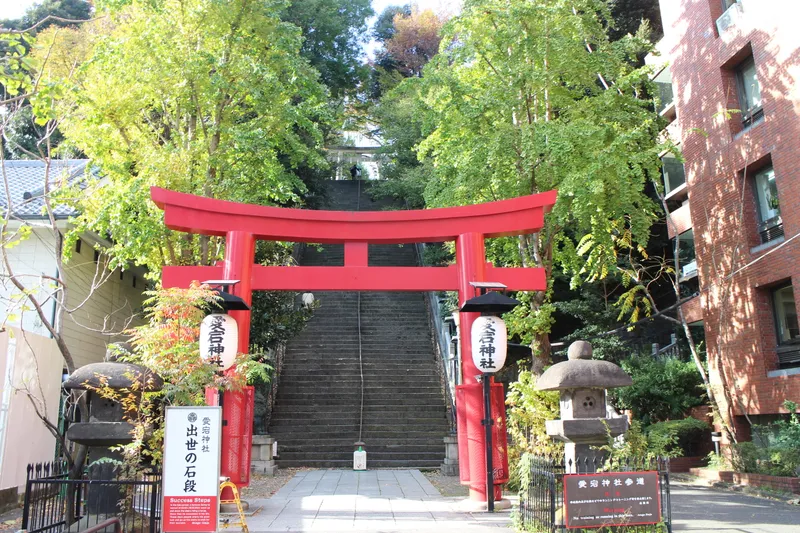 Shrine
Atago Shrine
- Career & Work
- Love & Romance
- Money & Prosperity
A shrine on a steep hill in Minato, founded in 1603 on Tokugawa Ieyasu's order as a deity against fire, and known for the stone staircase named after a rider who is said to have galloped up it.
 Shrine
Shiba Daijingu
- Love & Romance
- Money & Prosperity
- Protection & Safety
A Minato shrine founded in 1005 that enshrines the two deities of Ise, known in the Edo period as the Ise of the Kanto and today for a box charm sold nowhere else.
No places match your filters