Tamatsukuri Inari Jinja
Researched and translated with AI assistance. Every claim is linked to its source, but errors get through, so check the official site for opening times, fees and closures.About
In short
Transmitted as founded in 12 BC, revered through the Toyotomi and Tokugawa ages as the guardian deity of Osaka Castle, and the origin of the place-name Tamatsukuri.
Quick facts
- Address
- 2-3-8 Tamatsukuri, Chuo-ku, Osaka
- Spiritual entities
- Inari (稲荷大神)
About this place
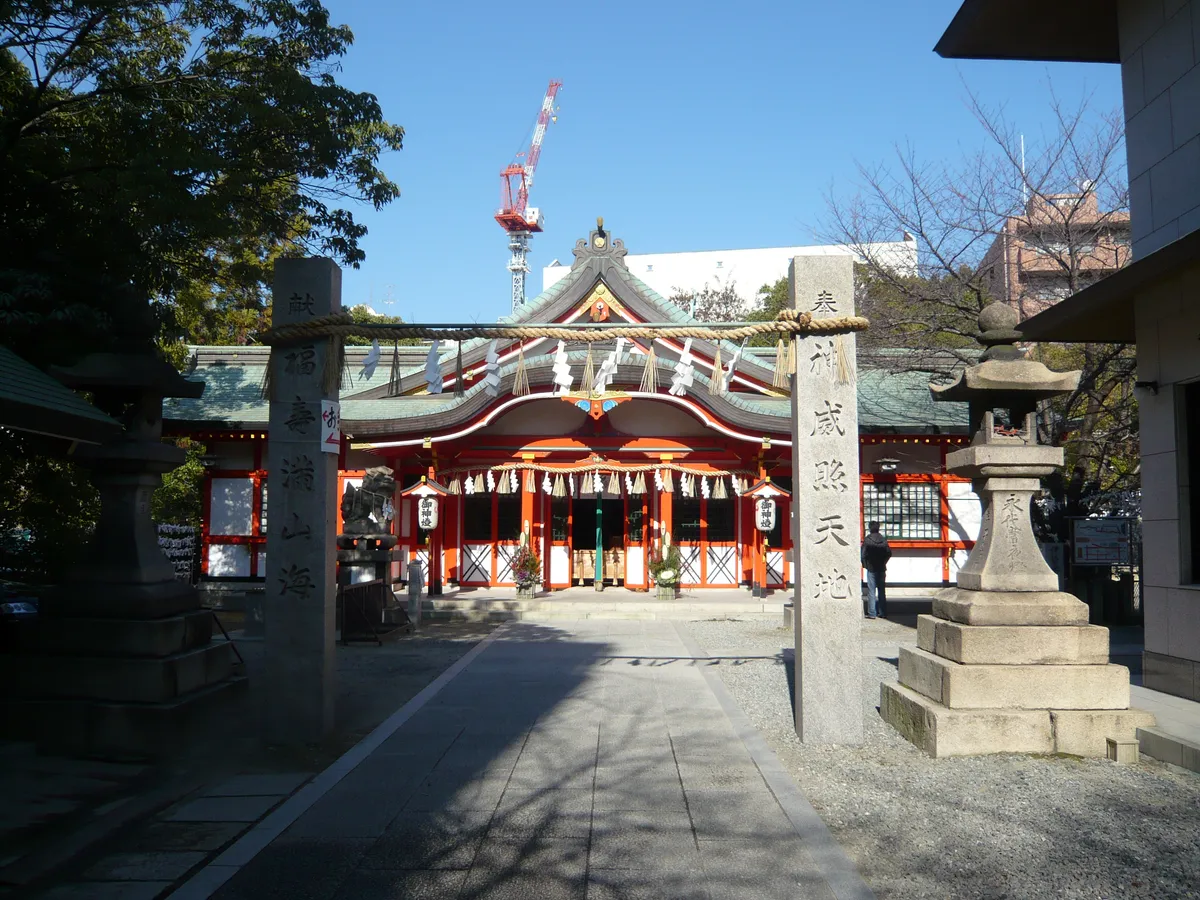
Tamatsukuri Inari Jinja is in Chuo-ku, Osaka. It is transmitted to have been founded in the autumn of the eighteenth year of Emperor Suinin, 12 BC. In antiquity its grounds became the dwelling area of the Naniwa bead-makers, and so it became the place from which the name Tamatsukuri — bead-making — arose. In 1603 Toyotomi Hideyori rebuilt its hall and its raised stage, and the records show it was revered through both the Toyotomi and Tokugawa ages as the guardian deity of Osaka Castle. In the Edo period, prayers for safety on the road were made here. It is known as the home of the jewels recorded in the Nihon Shoki.
Origin and history
Tamatsukuri Inari Jinja is transmitted to have been founded in the autumn of the eighteenth year of Emperor Suinin, 12 BC.
In antiquity its grounds became the dwelling area of the Naniwa bead-makers, and from this it became the place from which the name Tamatsukuri arose.
In 1603 Toyotomi Hideyori rebuilt the hall and the raised stage. Records show that through both the Toyotomi and Tokugawa ages it was revered as the guardian deity of Osaka Castle. In the Edo period prayers for safety on the road were offered here.
What it is locally associated with
Where the name Tamatsukuri came from
In antiquity the shrine’s grounds became the dwelling area of the Naniwa bead-makers, and from this the place-name Tamatsukuri arose.
documented historyGuardian deity of Osaka Castle
Records show it was revered as the guardian deity of Osaka Castle through both the Toyotomi and Tokugawa ages.
documented historyRebuilt by Hideyori
In 1603 Toyotomi Hideyori rebuilt the shrine hall and its raised stage.
documented history
This shrine is where its own address comes from. In antiquity the bead-makers of Naniwa lived within its grounds, and from that this became the place the name Tamatsukuri — bead-making — arose. People who made beads lived in the precinct, and their trade became the name of the district. The shrine lent the neighbourhood its name. It describes itself as the home of the jewels recorded in the Nihon Shoki.
Its relationship with the castle lasted. In 1603 Hideyori rebuilt the hall and the raised stage, and the records show it was revered as the guardian deity of Osaka Castle through the Toyotomi age and the Tokugawa one after it. The lord of the castle changed; the guardian did not.
In the Edo period prayers for safety on the road were offered here. About what this shrine grants, its own account says no more than that — and so this page attaches no category of prayer.
Claims and evidence levels 3
- Tamatsukuri Inari Jinja is transmitted to have been founded in the autumn of 12 BC. folk tradition
- Its grounds were the dwelling area of the Naniwa bead-makers in antiquity, making it the origin of the place-name Tamatsukuri. documented history
- Toyotomi Hideyori rebuilt the hall and stage in 1603, and records show the shrine was revered as guardian deity of Osaka Castle under both the Toyotomi and the Tokugawa. documented history
Related guides
- How to visit a shrine or temple in JapanThe country-wide basics: purifying at the water basin, the two-bows-two-claps-one-bow form at shrines, and what temples do instead.
- What a "power spot" actually isA modern Japanese coinage, not a traditional religious category. Where the word came from, what it does and does not claim, and why this site uses it anyway.
- Shrine or temple?A shrine is Shinto and a temple is Buddhist, and you can usually tell at the gate. Why the line is cleaner on paper than on the ground, and what a government order in 1868 has to do with it.
- Omamori, ema, omikuji and goshuinThe four things you are most likely to receive, write, draw or be given at a shrine or temple, what each is actually for, and the one of them people most often get wrong.
Sources
Last updated:
Similar places
8 places
 Shrine
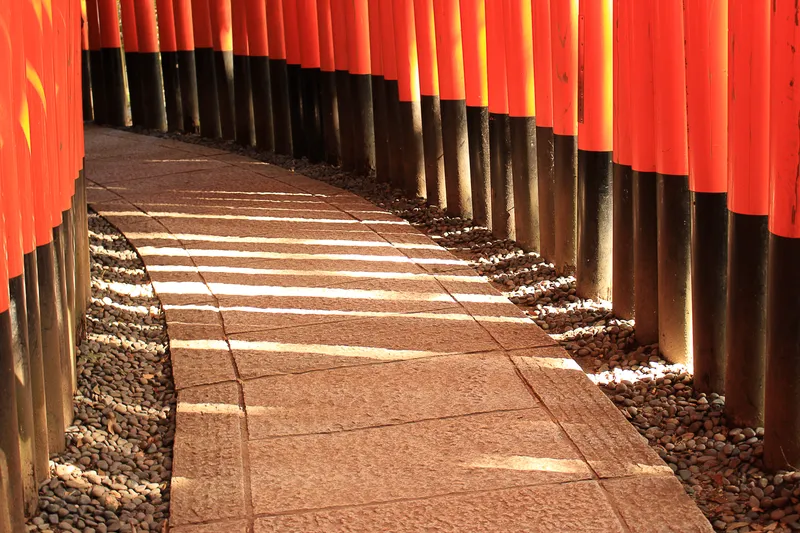
Fushimi Inari Taisha
- Money & Prosperity
The head shrine of the thirty thousand Inari shrines across Japan, whose deity is venerated for harvests and the prosperity of trade.
 Shrine
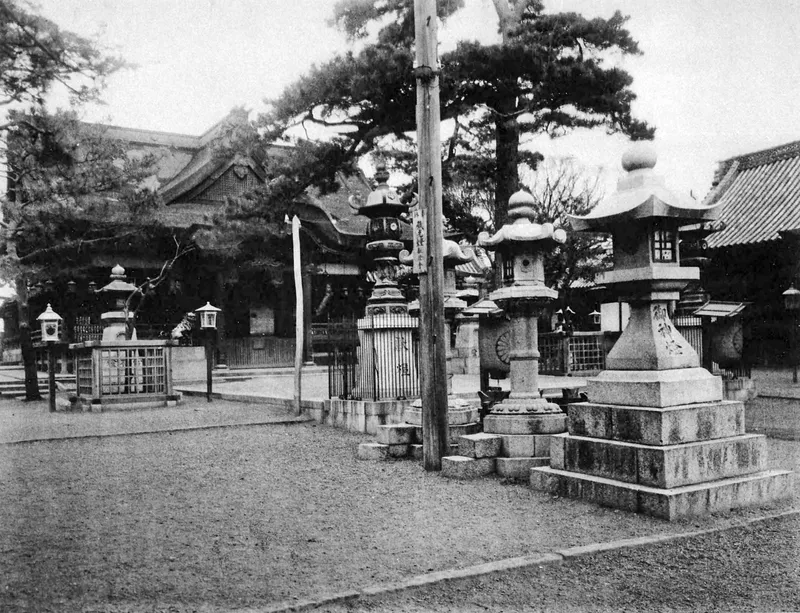
Kozu-gu
- Fertility & Children
- Money & Prosperity
Founded in 866, when an imperial order sent a search for the ruins of the old capital and the shrine was built where they were found.
 Shrine
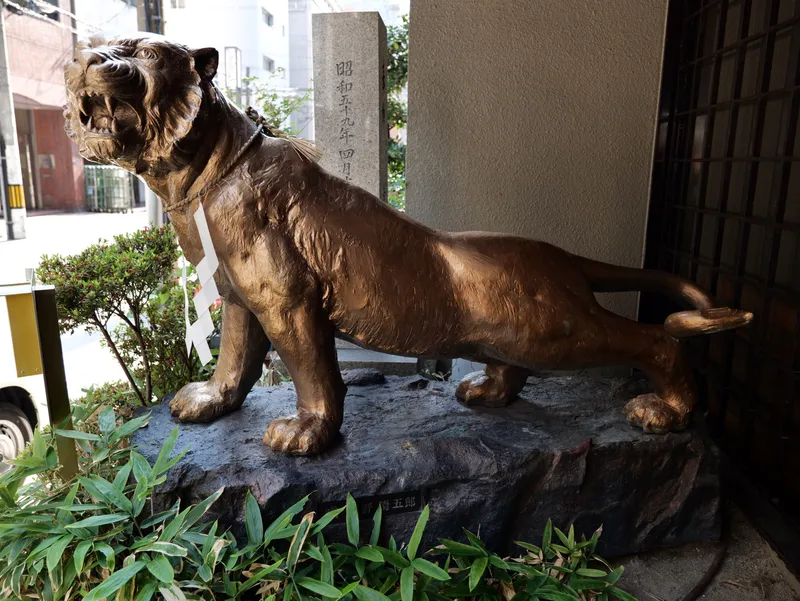
Sukunahikona Jinja
- Health & Healing
Founded in 1780 when the drug merchants of Doshomachi invited Sukunahikona into their guild meeting hall to sit beside Shennong.
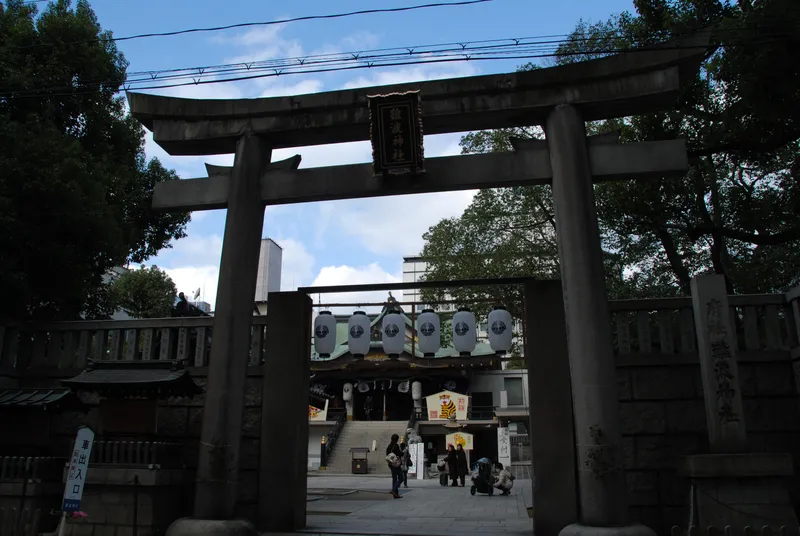 Shrine
Namba Jinja
Transmitted as founded when Emperor Hanzei opened his palace at Shibagaki and enshrined his father, Emperor Nintoku.
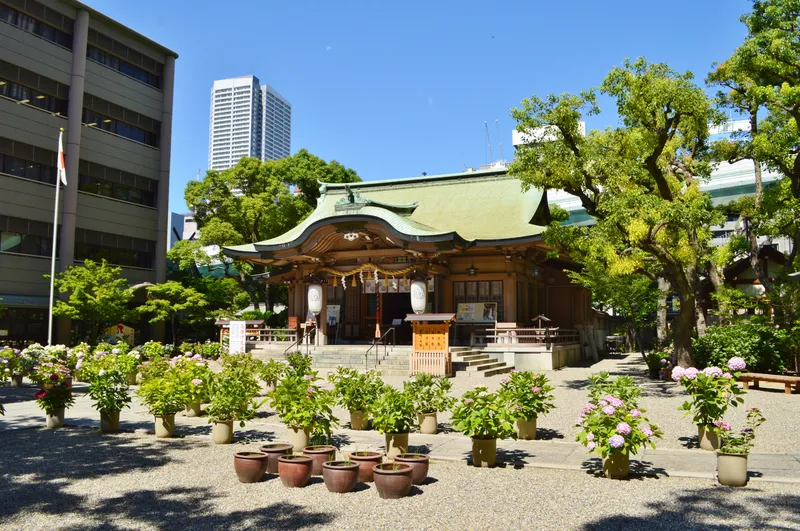 Shrine
Ikasuri Jinja
- Family & Home
- Fertility & Children
- Money & Prosperity
Because it is the deity of this ground, the shrine records, it governs safe childbirth, children’s safe growth and safety in trade.
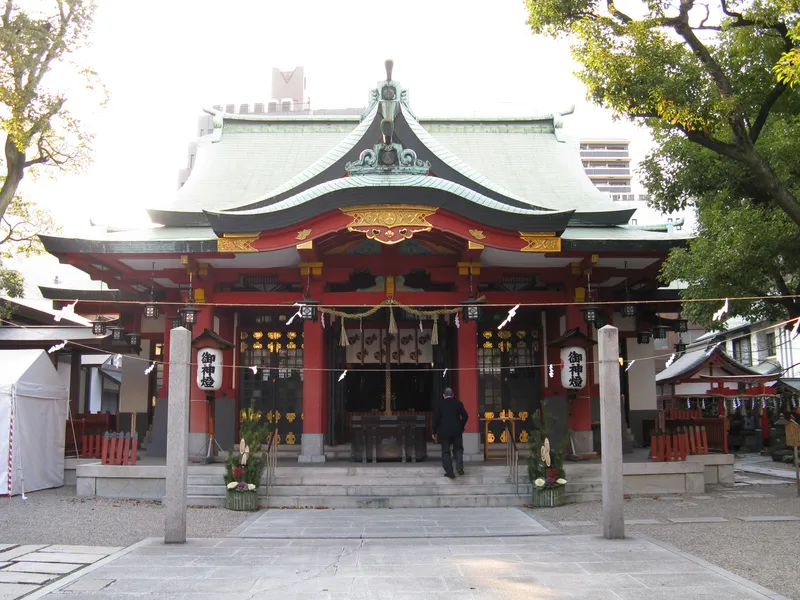 Shrine
Goryo Jinja
Its founding begins with the Enshinshi shrine, named in the Montoku Jitsuroku as the site of the Yasoshima rite in 850 — over a thousand years of history.
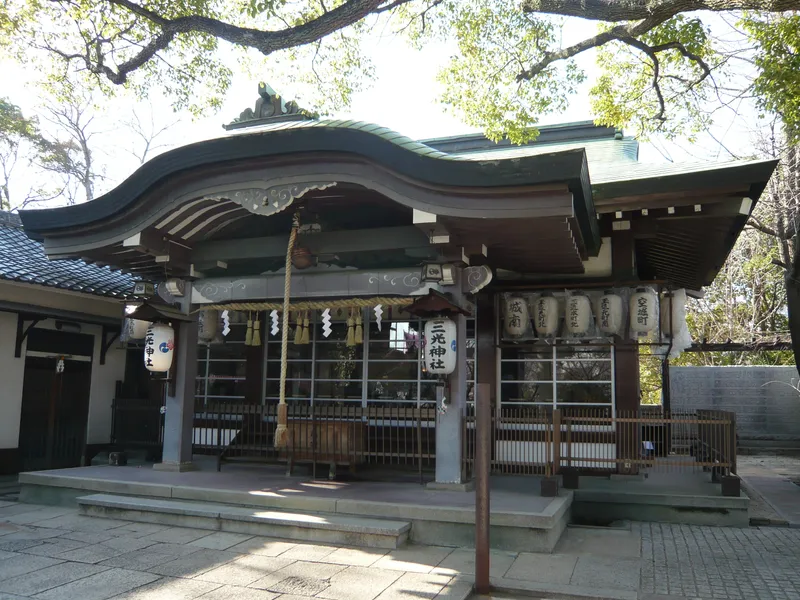 Shrine
Sanko Jinja
- Health & Healing
Known since antiquity as the only deity in all Japan for warding off palsy, with its rite held for seven days from 1 June each year.
 Shrine
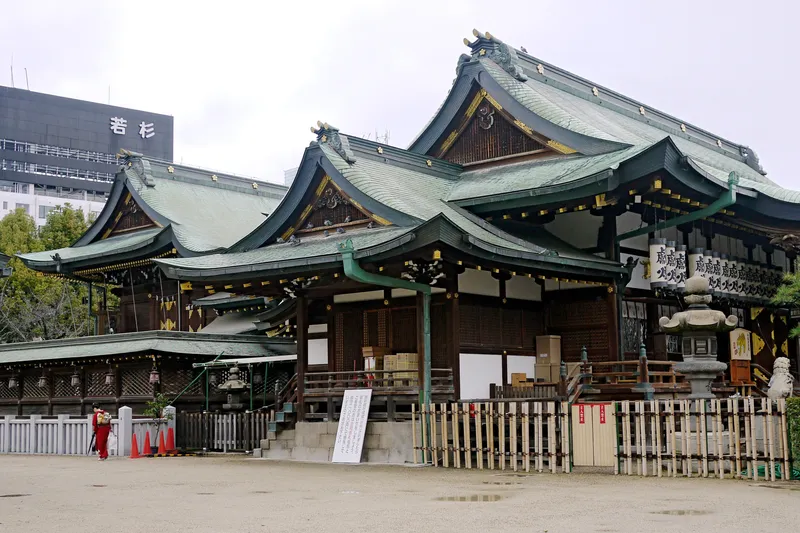
Osaka Tenmangu
- Exams & Study
- Money & Prosperity
- Protection & Safety
Built by imperial order on the spot where Sugawara no Michizane prayed for a safe journey to Dazaifu, after seven pines grew there overnight and shone each night.
No places match your filters