Kozu-gu
Kozu no Miya
Researched and translated with AI assistance. Every claim is linked to its source, but errors get through, so check the official site for opening times, fees and closures.About
In short
Founded in 866, when an imperial order sent a search for the ruins of the old capital and the shrine was built where they were found.
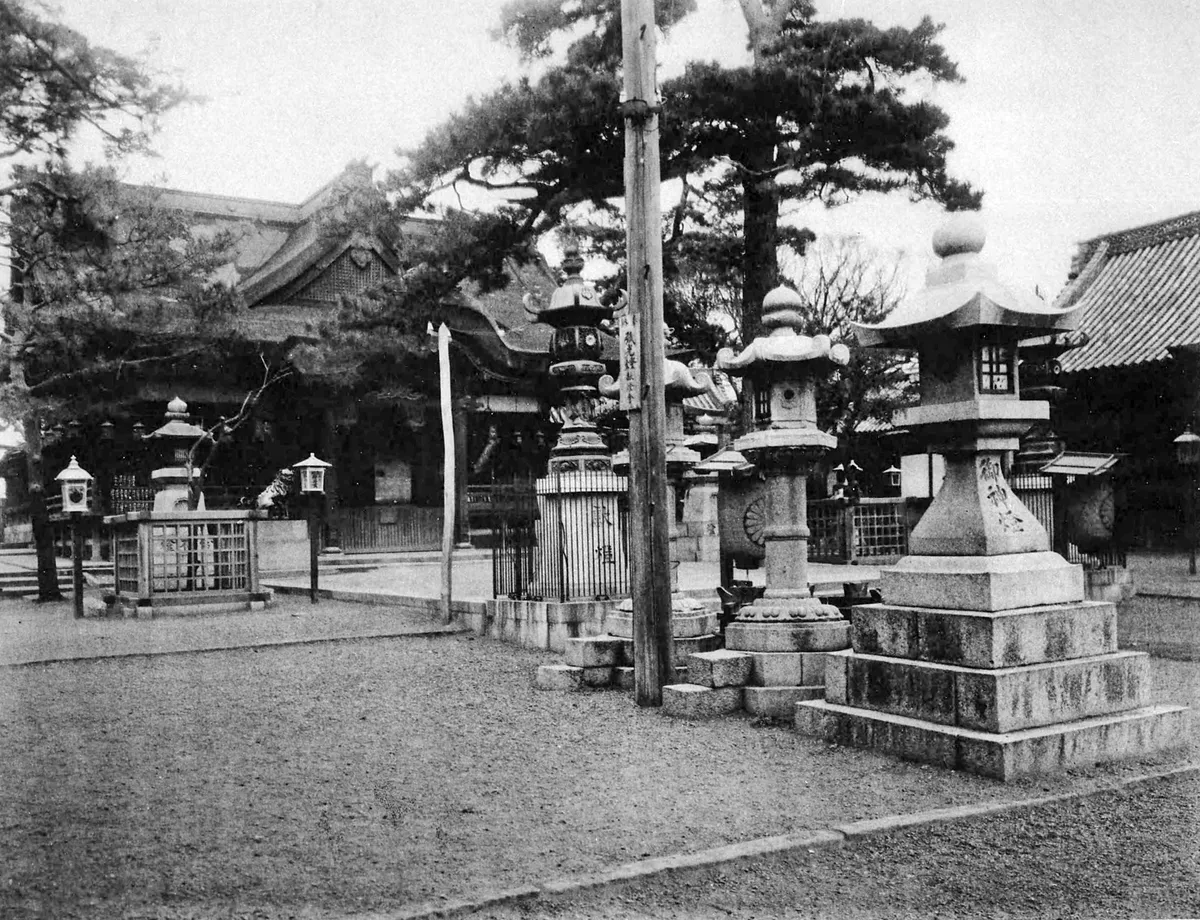
Quick facts
- Address
- 1-1-29 Kozu, Chuo-ku, Osaka
About this place
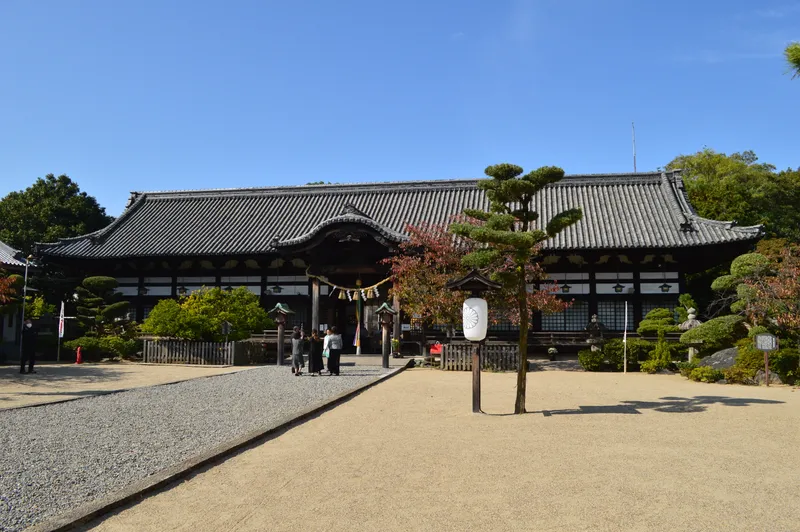
Kozu-gu is in Chuo-ku, Osaka, and enshrines the sixteenth emperor, Nintoku. Its founding is dated to 866, when by imperial order of Emperor Seiwa the ruins of the old capital were searched out, the site fixed, and a hall built and the rite performed. In 1583 Toyotomi Hideyoshi moved it to its present site at the Himekoso shrine when Osaka Castle was built. Emperor Nintoku is honoured for the benevolent rule by which, climbing to a high pavilion and seeing how little cooking smoke rose from the houses, he understood the poverty of the people and at once stopped the taxes to relieve them; the Osaka city anthem still sings of the bustle of smoke rising from the people’s stoves. At the auxiliary shrines, prayers are offered for agriculture, commerce and industry, and safe childbirth.
Origin and history
The enshrined deity is the sixteenth emperor, Nintoku.
The founding is dated to 866, when by imperial order of Emperor Seiwa the ruins of the old capital were searched out, the site of the shrine fixed, a hall built and the rite performed. In 1583, in the reign of Emperor Ogimachi, Toyotomi Hideyoshi moved the shrine to its present site at the Himekoso shrine when Osaka Castle was built.
Emperor Nintoku is honoured for the benevolent rule by which, having climbed to a high pavilion and seen how little cooking smoke rose from the houses, he understood the people’s poverty and at once stopped the taxes and relieved them. The Osaka city anthem puts it as the bustle of smoke rising from the people’s stoves.
What it is locally associated with
The site was searched for
In 866, by imperial order, the ruins of the old capital were searched out, the site fixed, and a hall built and the rite performed.
documented historyThe people’s stoves
Emperor Nintoku is honoured for seeing how little cooking smoke rose from the houses, understanding the people’s poverty, and stopping the taxes at once.
documented historyPrayers at the auxiliary shrines
At the auxiliary shrines, prayers are offered for agriculture, commerce and industry, and safe childbirth.
documented history
This shrine was found before it was built. In 866, by imperial order, the ruins of the old capital were searched out, the site fixed, a hall raised and the rite performed. Not a dream and not an apparition — a survey decided where it would stand.
Of the emperor enshrined here, the shrine transmits one scene. He climbed to a high pavilion, saw how little cooking smoke rose from the houses, understood that the people were in want, and stopped the taxes at once. A ruler measuring his subjects’ lives by counting the smoke above their roofs; the city anthem still sings of that bustle of smoke.
Visitors revere that governing. The asking happens at the auxiliary shrines, where prayers are offered for agriculture, commerce and industry, and safe childbirth. Reverence at the main hall, petitions at the side ones.
In 1583 the shrine moved to the Himekoso site because Hideyoshi was building Osaka Castle. Ikasuri Jinja, elsewhere on this list, moved for exactly the same reason.
Claims and evidence levels 3
- Kozu-gu was founded in 866, when by imperial order the ruins of the old capital were searched out and the shrine built on the site found. documented history
- It enshrines Emperor Nintoku, honoured for stopping the taxes after seeing how little cooking smoke rose from the people’s houses. documented history
- Hideyoshi moved the shrine to its present site in 1583 for the building of Osaka Castle; its auxiliary shrines take prayers for agriculture, commerce and childbirth. documented history
Related guides
- How to visit a shrine or temple in JapanThe country-wide basics: purifying at the water basin, the two-bows-two-claps-one-bow form at shrines, and what temples do instead.
- What a "power spot" actually isA modern Japanese coinage, not a traditional religious category. Where the word came from, what it does and does not claim, and why this site uses it anyway.
- Shrine or temple?A shrine is Shinto and a temple is Buddhist, and you can usually tell at the gate. Why the line is cleaner on paper than on the ground, and what a government order in 1868 has to do with it.
- Omamori, ema, omikuji and goshuinThe four things you are most likely to receive, write, draw or be given at a shrine or temple, what each is actually for, and the one of them people most often get wrong.
Sources
Last updated:
Similar places
8 places
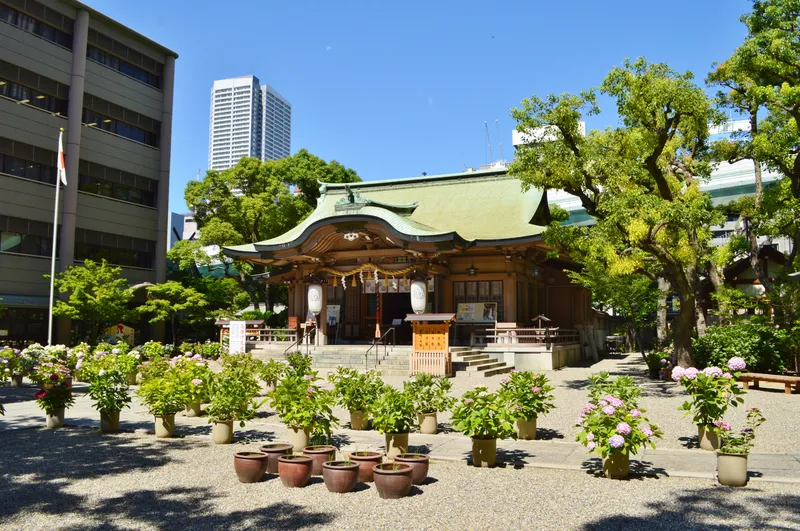 Shrine
Ikasuri Jinja
- Family & Home
- Fertility & Children
- Money & Prosperity
Because it is the deity of this ground, the shrine records, it governs safe childbirth, children’s safe growth and safety in trade.
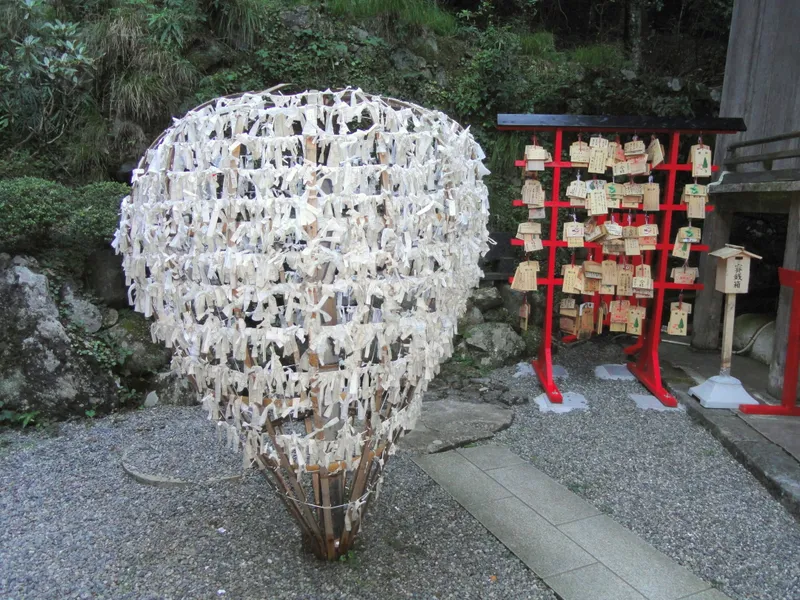 Shrine
Yuki Jinja
- Fertility & Children
- Love & Romance
- Money & Prosperity
Once kept inside the imperial palace as a guardian of the court, and the shrine whose fire festival re-enacts the night its deity was moved to Kurama.
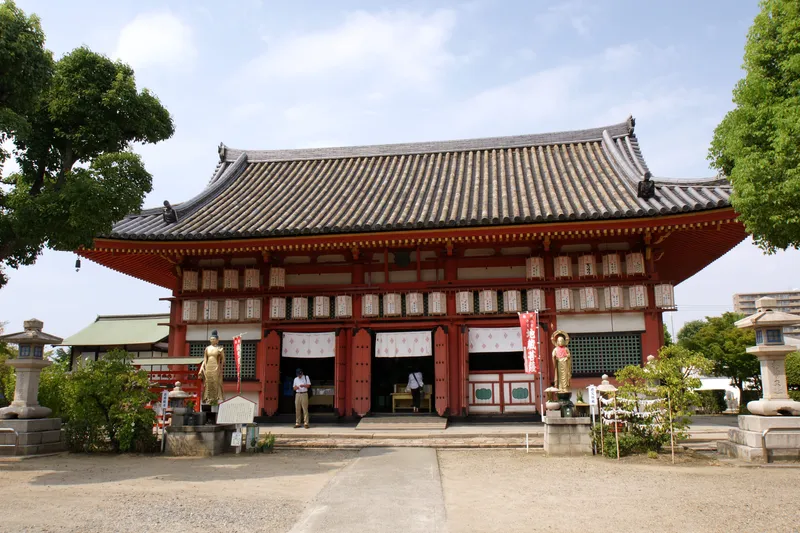 Temple
Shoman-in Aizendo
- Love & Romance
- Money & Prosperity
- Bonds & Matchmaking
Founded by Prince Shotoku in 593 on the site of his dispensary — called the birthplace of welfare work — and known for the binding of ties and harmony between husband and wife.
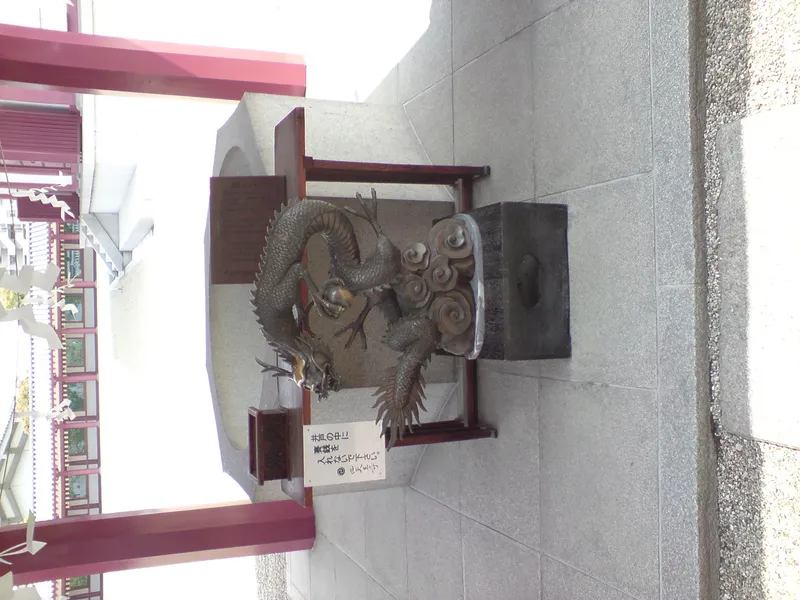 Temple
Shitenno-ji
- Health & Healing
- Money & Prosperity
Founded in 593 when Prince Shotoku made good on a battlefield vow — Japan’s first official state temple, still praying daily for recovery from illness and prosperity in business.
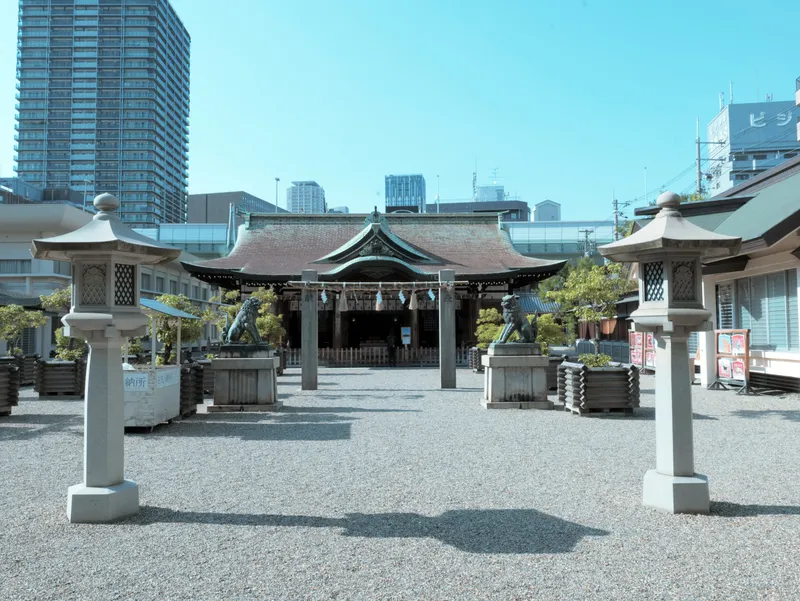 Shrine
Imamiya Ebisu Jinja
- Money & Prosperity
Founded in 600 as the guardian deity of a marketplace, and revered since as a protector of prosperous trade and full good fortune.
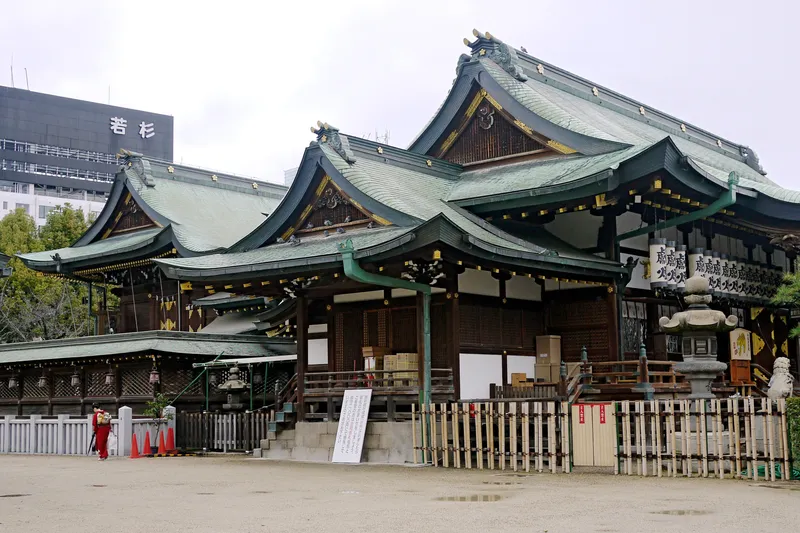 Shrine
Osaka Tenmangu
- Exams & Study
- Money & Prosperity
- Protection & Safety
Built by imperial order on the spot where Sugawara no Michizane prayed for a safe journey to Dazaifu, after seven pines grew there overnight and shone each night.
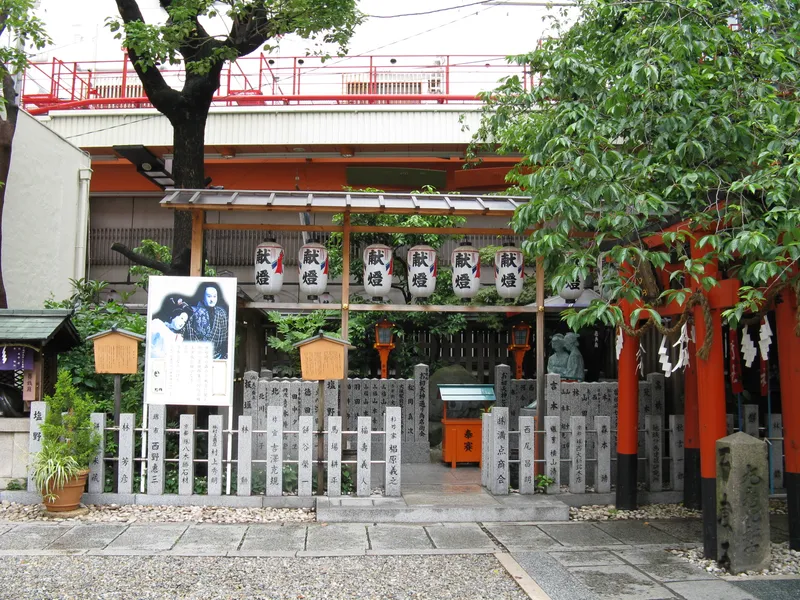 Shrine
Tsuyu no Tenjinsha
- Exams & Study
- Health & Healing
- Love & Romance
An old shrine of thirteen centuries whose grove was the scene of the double suicide behind Chikamatsu’s play, and where people now come to ask for love to come true.
 Shrine
Konda Hachimangu
- Fertility & Children
- Protection & Safety
It sits on the round rear mound of Emperor Ojin’s tomb, and its history began from the devotion of guarding and serving that tomb.
No places match your filters