Shitenno-ji
Researched and translated with AI assistance. Every claim is linked to its source, but errors get through, so check the official site for opening times, fees and closures.About
In short
Founded in 593 when Prince Shotoku made good on a battlefield vow — Japan’s first official state temple, still praying daily for recovery from illness and prosperity in business.
Quick facts
- Address
- 1-11-18 Shitennoji, Tennoji-ku, Osaka
About this place
Shitenno-ji stands in Tennoji, Osaka, and was founded in 593. During the battle between Mononobe no Moriya and Soga no Umako, Prince Shotoku, who had sided with the pro-Buddhist Soga, carved images of the Four Heavenly Kings himself to turn an unfavourable position, and vowed that if he won this battle he would build a temple to enshrine them and save all people in this world. After the victory he built it to fulfil that vow. It is Japan’s first official temple of Buddhist law, and to this day it performs daily memorial rites for the dead along with prayers for recovery from illness and prosperity in business. Shotoku’s four institutions also continue: the relief, dispensary and infirmary works are carried on and developed through the temple’s social welfare foundation.
Origin and history
Shitenno-ji was founded in 593.
During the battle between Mononobe no Moriya and Soga no Umako, Prince Shotoku — who had sided with the pro-Buddhist Soga — carved images of the Four Heavenly Kings himself in order to turn an unfavourable position, and vowed that if he won this battle he would build a temple to enshrine the Four Heavenly Kings and save all the people of this world. After the victory, the temple was built to fulfil that vow.
It is Japan’s first official temple of Buddhist law. The work of the four institutions also continues: the temple runs its school foundation, teaching Buddhism within an international outlook, and carries on and develops the relief, dispensary and infirmary works through its social welfare foundation.
What it is locally associated with
A vow to build if he won
Prince Shotoku carved the Four Heavenly Kings himself and vowed that if he won the battle he would build a temple to enshrine them and save all people; after the victory he fulfilled it.
documented historyDaily prayers for health and business
The temple performs daily memorial rites for the dead and prayers for recovery from illness and prosperity in business.
documented historyThe four institutions, still running
The relief, dispensary and infirmary works are carried on and developed through the temple’s social welfare foundation.
documented history
This temple begins with a bargain. In the middle of a battle Shotoku carved the Four Heavenly Kings himself and vowed that, if he won, he would build a temple to house them and save everyone in this world. He won, and he built it — that is the order the temple transmits. It is a temple raised by the side of the bargain whose wish was granted.
What the temple does every day now is memorial rites and prayer. The prayers it names are for recovery from illness and prosperity in business. A vow from fourteen centuries ago and a counter open this morning stand on the same ground.
And Shotoku’s four institutions are still running. The relief, dispensary and infirmary works are carried on through the temple’s welfare foundation, and its school foundation still teaches. That may be the part of this place that has lasted longest — longer than any of the buildings.
Claims and evidence levels 3
- Shitenno-ji was founded in 593, after Prince Shotoku vowed during battle to build a temple enshrining the Four Heavenly Kings and to save all people if he won. documented history
- It is Japan’s first official temple of Buddhist law, and performs daily memorial rites along with prayers for recovery from illness and prosperity in business. documented history
- The four institutions continue as relief, dispensary and infirmary works through the temple’s social welfare foundation, alongside its school foundation. documented history
Related guides
- How to visit a shrine or temple in JapanThe country-wide basics: purifying at the water basin, the two-bows-two-claps-one-bow form at shrines, and what temples do instead.
- What a "power spot" actually isA modern Japanese coinage, not a traditional religious category. Where the word came from, what it does and does not claim, and why this site uses it anyway.
- Shrine or temple?A shrine is Shinto and a temple is Buddhist, and you can usually tell at the gate. Why the line is cleaner on paper than on the ground, and what a government order in 1868 has to do with it.
- Omamori, ema, omikuji and goshuinThe four things you are most likely to receive, write, draw or be given at a shrine or temple, what each is actually for, and the one of them people most often get wrong.
Sources
Last updated:
Similar places
8 places
 Shrine
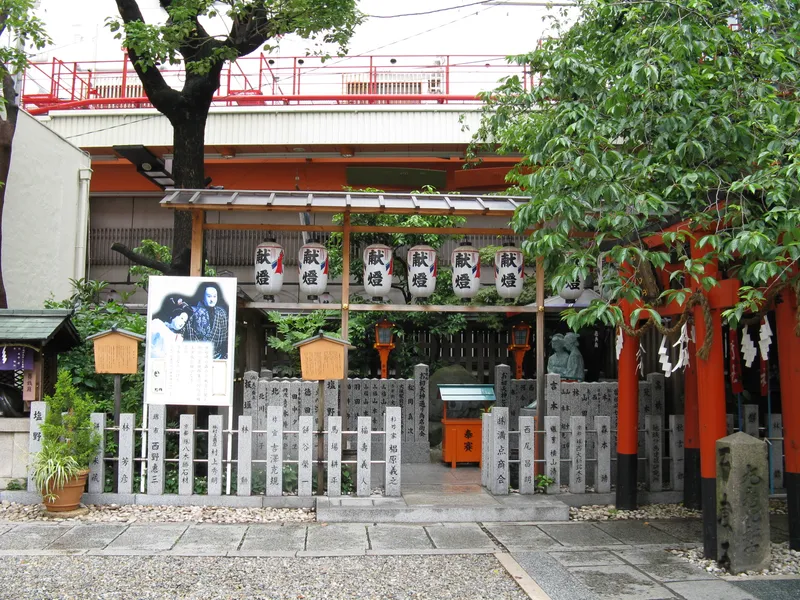
Tsuyu no Tenjinsha
- Exams & Study
- Health & Healing
- Love & Romance
An old shrine of thirteen centuries whose grove was the scene of the double suicide behind Chikamatsu’s play, and where people now come to ask for love to come true.
 Shrine
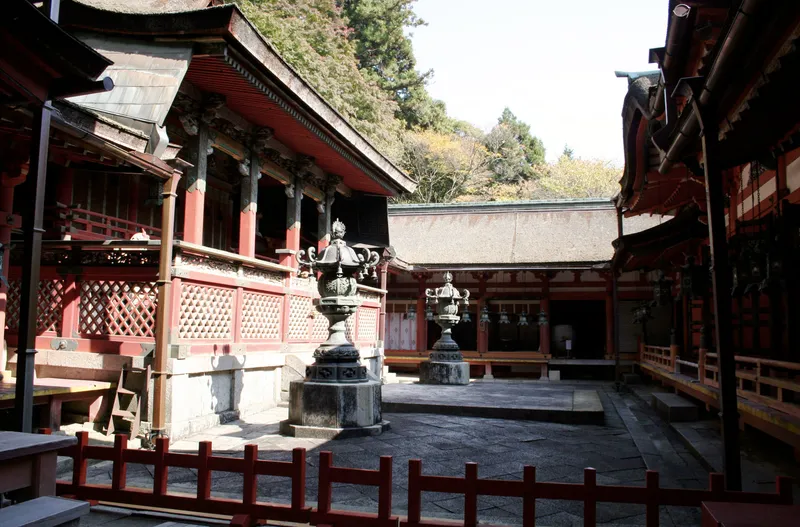
Tanzan Shrine
- Family & Home
- Health & Healing
- Money & Prosperity
A shrine to Fujiwara no Kamatari on the hill where he and Prince Naka no Oe held the secret conference that led to the Taika Reform.
 Temple
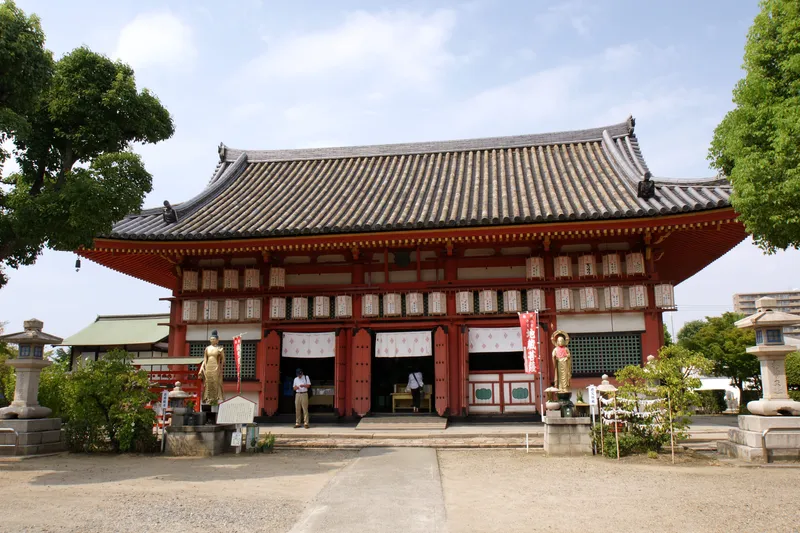
Shoman-in Aizendo
- Love & Romance
- Money & Prosperity
- Bonds & Matchmaking
Founded by Prince Shotoku in 593 on the site of his dispensary — called the birthplace of welfare work — and known for the binding of ties and harmony between husband and wife.
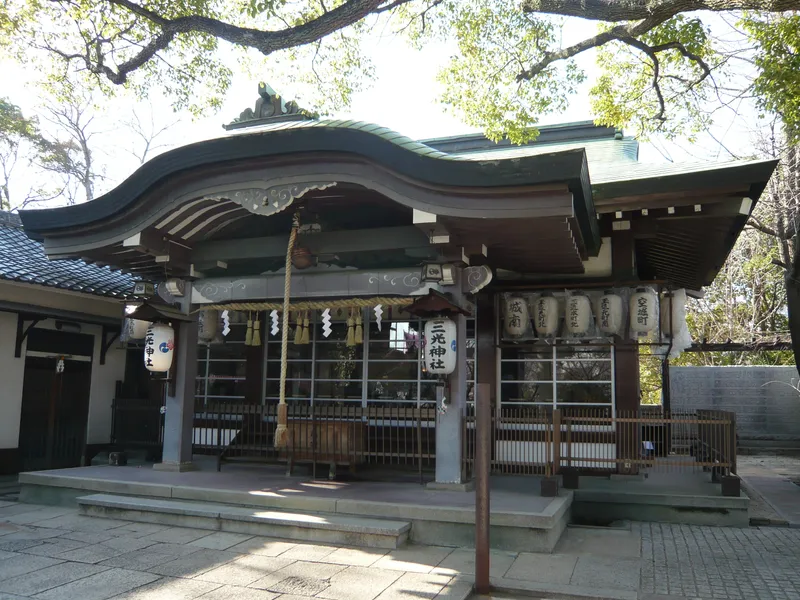 Shrine
Sanko Jinja
- Health & Healing
Known since antiquity as the only deity in all Japan for warding off palsy, with its rite held for seven days from 1 June each year.
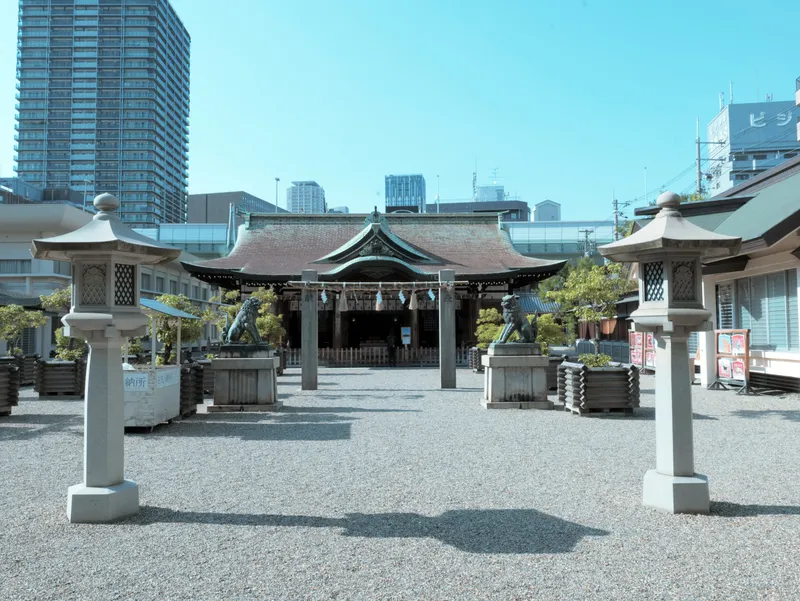 Shrine
Imamiya Ebisu Jinja
- Money & Prosperity
Founded in 600 as the guardian deity of a marketplace, and revered since as a protector of prosperous trade and full good fortune.
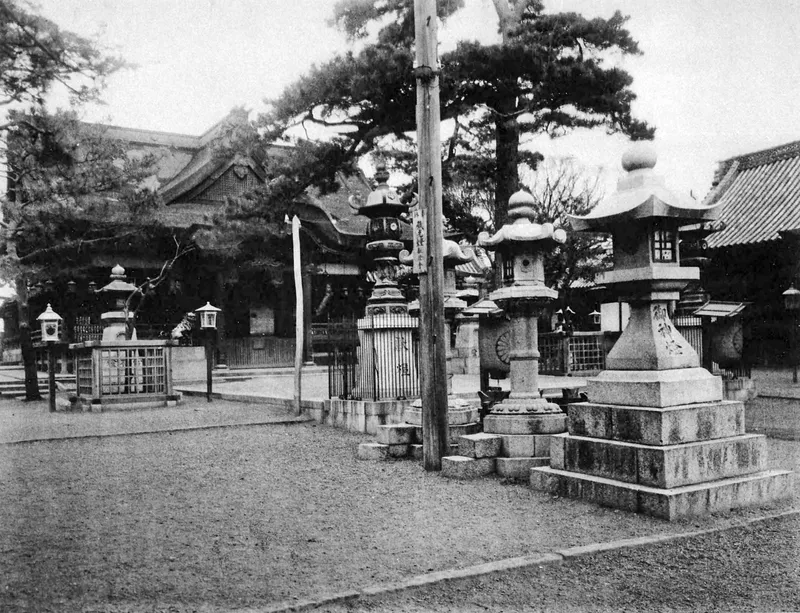 Shrine
Kozu-gu
- Fertility & Children
- Money & Prosperity
Founded in 866, when an imperial order sent a search for the ruins of the old capital and the shrine was built where they were found.
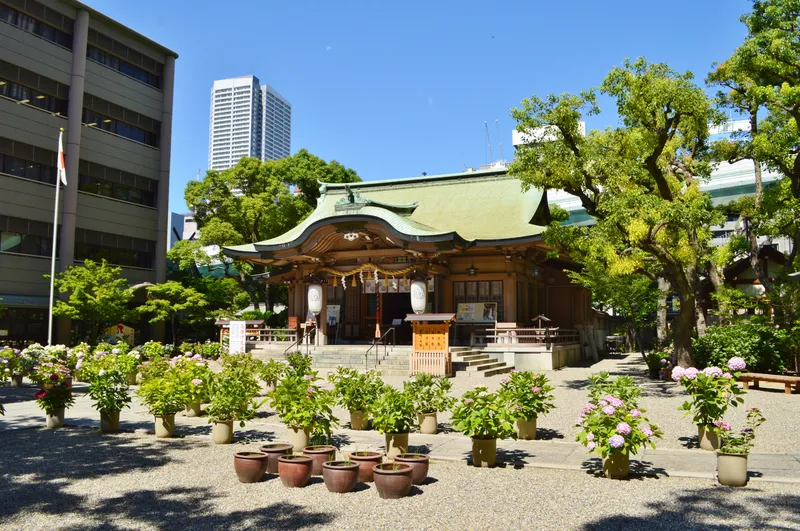 Shrine
Ikasuri Jinja
- Family & Home
- Fertility & Children
- Money & Prosperity
Because it is the deity of this ground, the shrine records, it governs safe childbirth, children’s safe growth and safety in trade.
 Shrine
Sukunahikona Jinja
- Health & Healing
Founded in 1780 when the drug merchants of Doshomachi invited Sukunahikona into their guild meeting hall to sit beside Shennong.
No places match your filters