Hoshida Myokengu
Komatsu Jinja
Researched and translated with AI assistance. Every claim is linked to its source, but errors get through, so check the official site for opening times, fees and closures.About
In short
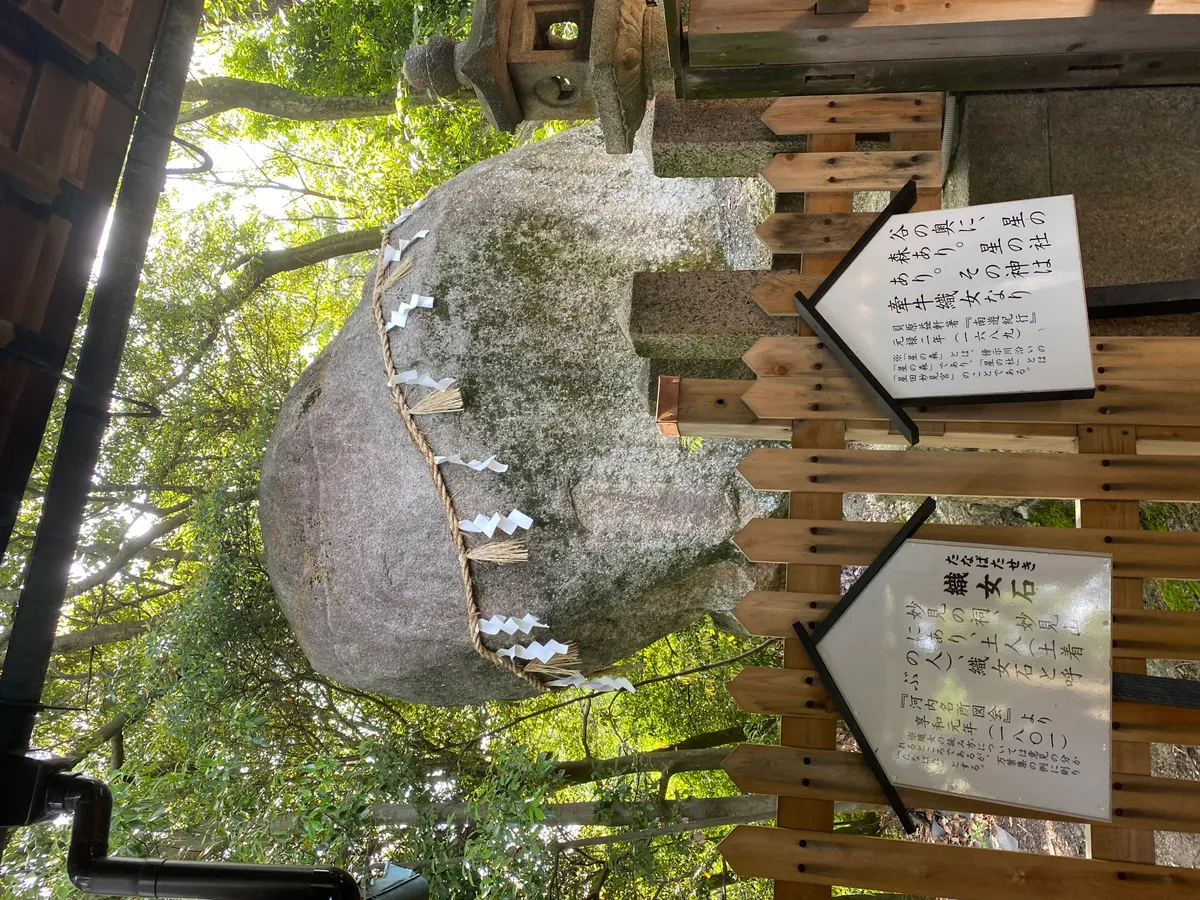
The seven stars that fell from heaven in answer to Kobo Daishi’s rite came down in three places, and one of them is this shrine’s object of worship.
Quick facts
- Address
- 9-60-1 Hoshida, Katano, Osaka
- Spiritual entities
- Amenominakanushi (天之御中主神)
About this place
Hoshida Myokengu is in Katano, Osaka. Its deities are Ame-no-Minakanushi, Takamimusubi and Kamimusubi; in Buddhism the same is the Bodhisattva Myoken of the North Star, and in Daoism and onmyodo the deity of the talismans that quiet a dwelling. In the Heian period, when Kobo Daishi came to Katano and entered the lion cave at Shishikutsu-ji Kichijoin and chanted the secret rite of Butsugen Butsumo, the seven stars of the Big Dipper came down from heaven and fell to earth divided among three places. The places transmitted are the Grove of Stars, the precinct of Korin-ji on Furiboshi hill, and the object of worship of this shrine. It has been revered since antiquity as the deity of Tanabata and as an object of Big Dipper devotion.
Origin and history
The deities are Ame-no-Minakanushi, Takamimusubi and Kamimusubi. In Buddhism the same is the Bodhisattva Myoken of the North Star; in Daoism and onmyodo, the deity of the talismans that quiet a dwelling.
In the Heian period, when Kobo Daishi came to Katano and entered the lion cave at Shishikutsu-ji Kichijoin and chanted the secret rite of Butsugen Butsumo, the seven stars of the Big Dipper came down from heaven and fell to earth divided among three places.
In the tradition as it now stands, the three places where the stars fell are the Grove of Stars, the precinct of Korin-ji on Furiboshi hill, and the object of worship of this shrine. It has been revered since antiquity as the deity of Tanabata and as an object of Big Dipper devotion.
What it is locally associated with
The object of worship is a fallen star
The places where the stars fell are transmitted as the Grove of Stars, the precinct of Korin-ji, and the object of worship of this shrine.
folk traditionKobo Daishi’s rite and the seven stars
When Kobo Daishi chanted the secret rite of Butsugen Butsumo in the lion cave, the seven stars came down from heaven and fell divided among three places.
folk traditionNamed in three systems
Ame-no-Minakanushi and the others in Shinto; the Bodhisattva Myoken of the North Star in Buddhism; the deity of dwelling-quieting talismans in Daoism and onmyodo.
documented history
What is venerated here fell out of the sky. In the Heian period, when Kobo Daishi chanted the secret rite of Butsugen Butsumo in the lion cave, the seven stars came down from heaven and fell to earth divided among three places. And the landing sites are counted. The Grove of Stars; the precinct of Korin-ji; and the object of worship of this shrine. The third is the thing enshrined here.
It has three sets of names. In Shinto, Ame-no-Minakanushi, Takamimusubi and Kamimusubi. In Buddhism, the Bodhisattva Myoken of the North Star. In Daoism and onmyodo, the deity of the talismans that quiet a dwelling. Three systems each give the same one a name, and the shrine ranks none of them above the others.
As for how it has been revered: as the deity of Tanabata, and as an object of Big Dipper devotion. Its own account names nothing that is granted, so this page attaches no category of prayer.
Claims and evidence levels 3
- When Kobo Daishi chanted the secret rite of Butsugen Butsumo in the lion cave at Shishikutsu-ji, the seven stars of the Big Dipper fell to earth divided among three places. folk tradition
- The three landing places are transmitted as the Grove of Stars, the precinct of Korin-ji, and the object of worship of this shrine. folk tradition
- Its deities are Ame-no-Minakanushi, Takamimusubi and Kamimusubi; the same is Myoken of the North Star in Buddhism and the dwelling-quieting talisman deity in Daoism and onmyodo. documented history
Related guides
- How to visit a shrine or temple in JapanThe country-wide basics: purifying at the water basin, the two-bows-two-claps-one-bow form at shrines, and what temples do instead.
- What a "power spot" actually isA modern Japanese coinage, not a traditional religious category. Where the word came from, what it does and does not claim, and why this site uses it anyway.
- Shrine or temple?A shrine is Shinto and a temple is Buddhist, and you can usually tell at the gate. Why the line is cleaner on paper than on the ground, and what a government order in 1868 has to do with it.
- Omamori, ema, omikuji and goshuinThe four things you are most likely to receive, write, draw or be given at a shrine or temple, what each is actually for, and the one of them people most often get wrong.
Sources
- ご由緒 — Hoshida Myokengu (accessed 2026-08-15)
Last updated:
Similar places
8 places
 Shrine
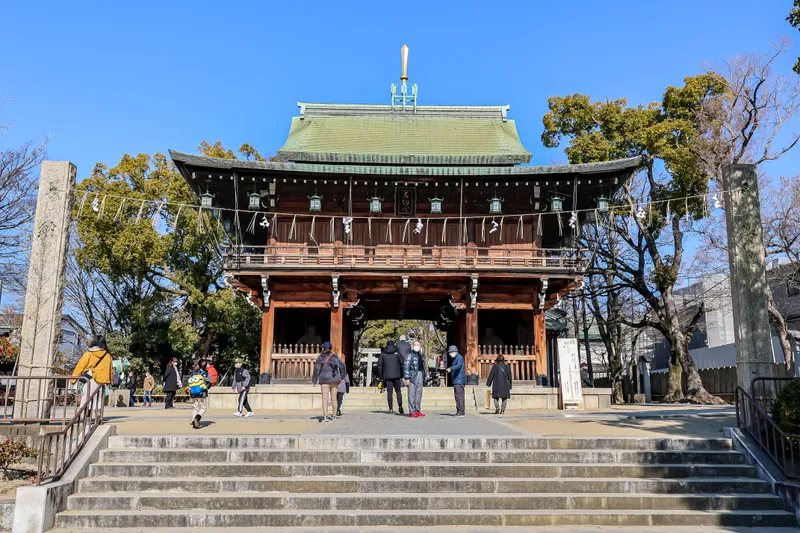
Ishikiri Tsurugiya Jinja
- Health & Healing
- Skill & Mastery
Its name describes a divine power that cuts through solid rock, and it is known as the deity who heals growths and swellings.
 Temple
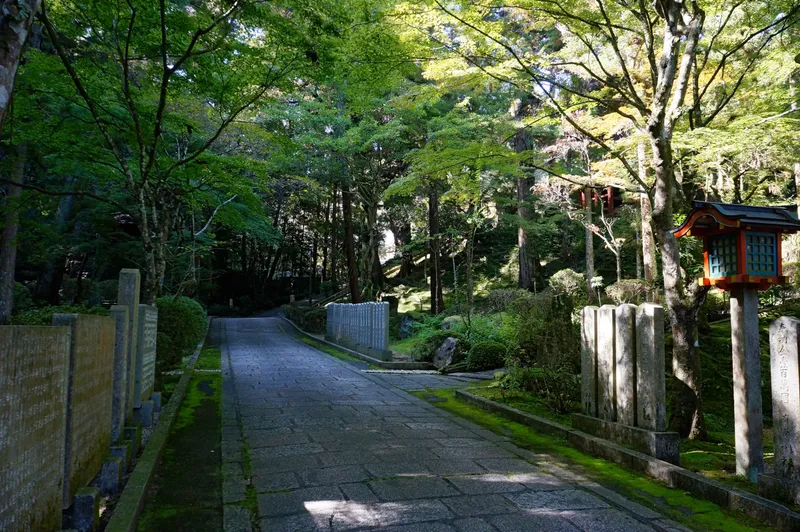
Ryosen-ji
- Health & Healing
Founded on a Yakushi Nyorai perceived at Kumano by Ono no Tomihito, and named Ryosen-ji when the Indian monk Bodhisena reported that the ground here looked just like Vulture Peak.
 Temple
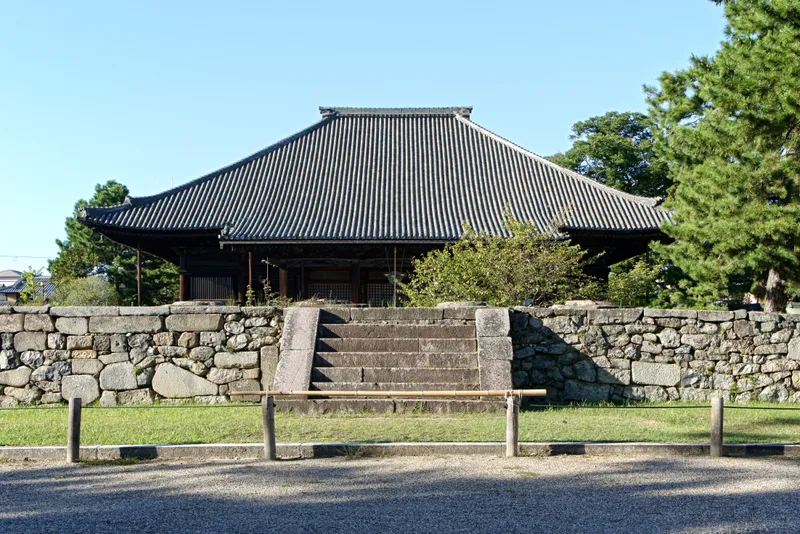
Saidai-ji
Founded in the Nara period on Empress Shotoku’s vow for the protection of the state, one of the seven great temples of the southern capital, and rebuilt in the Kamakura period by the priest Eison.
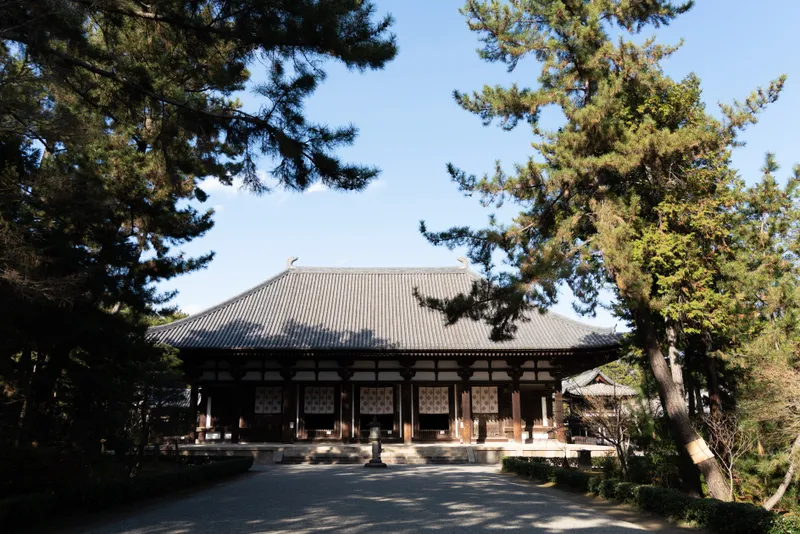 Temple
Toshodai-ji
The head temple of the Ritsu school, opened in 759 by Ganjin, who came from Tang China, as a place of practice for people studying the precepts.
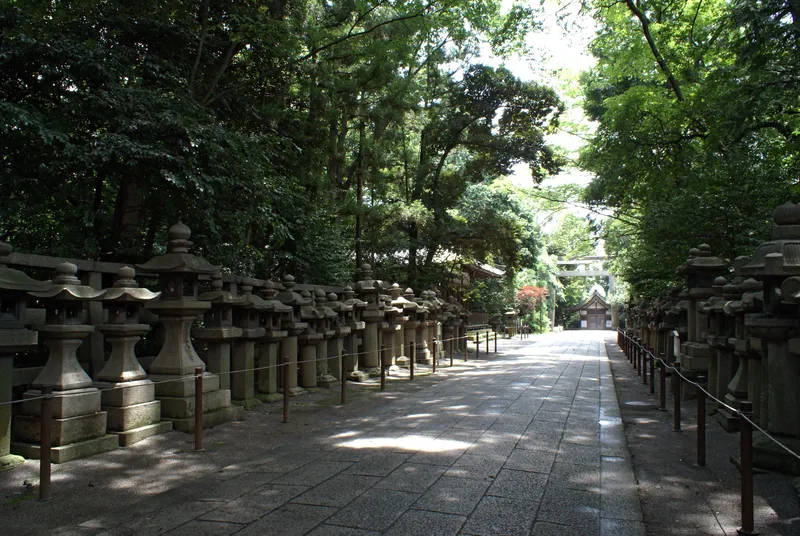 Shrine
Iwashimizu Hachimangu
- Protection & Safety
Founded in 859 on an oracle in which the deity said: I shall move to the peak of Otokoyama near the capital and protect the realm.
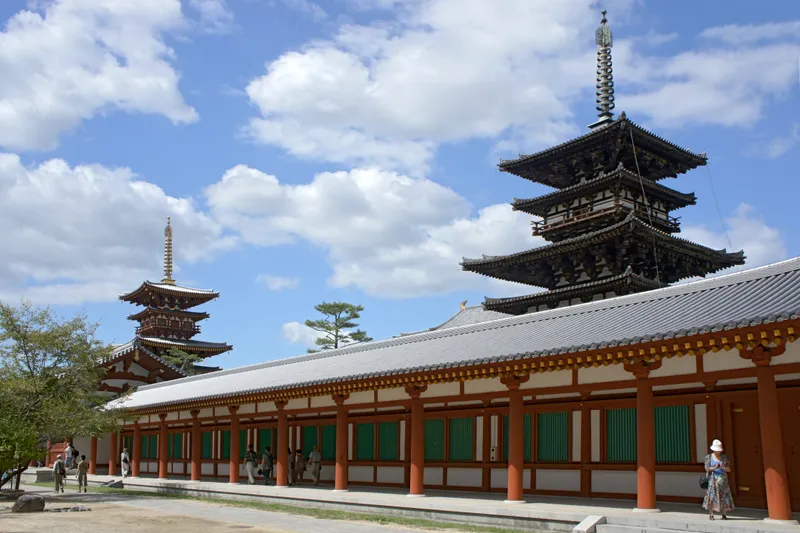 Temple
Yakushi-ji
- Health & Healing
Founded in 680 by Emperor Tenmu in prayer for the recovery of his empress from illness, and inscribed as World Heritage.
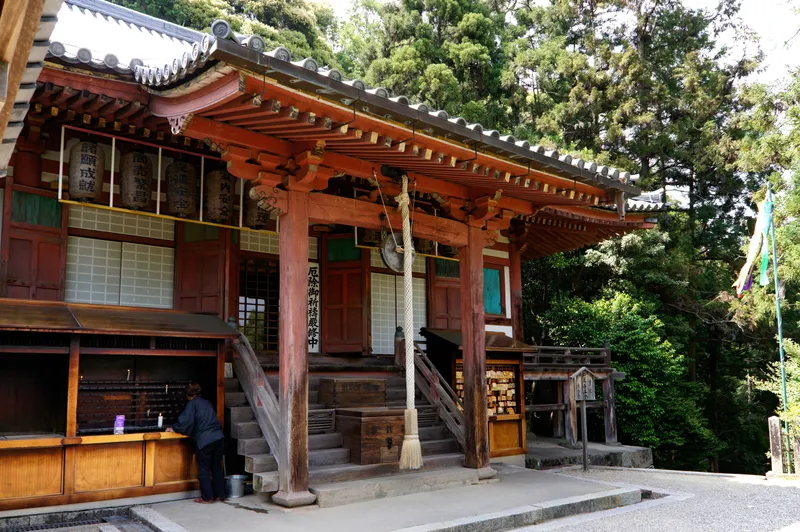 Temple
Matsuo-dera
- Protection & Safety
- Wish Fulfillment
Built in 718 by Prince Toneri while he was compiling the Nihon Shoki, at forty-two and in his unlucky year, praying that the book be completed safely and misfortune warded off.
 Temple
Daian-ji
- Health & Healing
Japan’s first state-founded temple, beginning with the Kumagori retreat that Prince Shotoku founded, and today a temple where people pray against cancer.
No places match your filters