Hattori Tenjingu
The deity of feet
Researched and translated with AI assistance. Every claim is linked to its source, but errors get through, so check the official site for opening times, fees and closures.About
In short
Where Sugawara no Michizane, unable to take a step for illness in his legs on the road to Dazaifu, prayed to be healed — and which is revered since as the deity of feet.
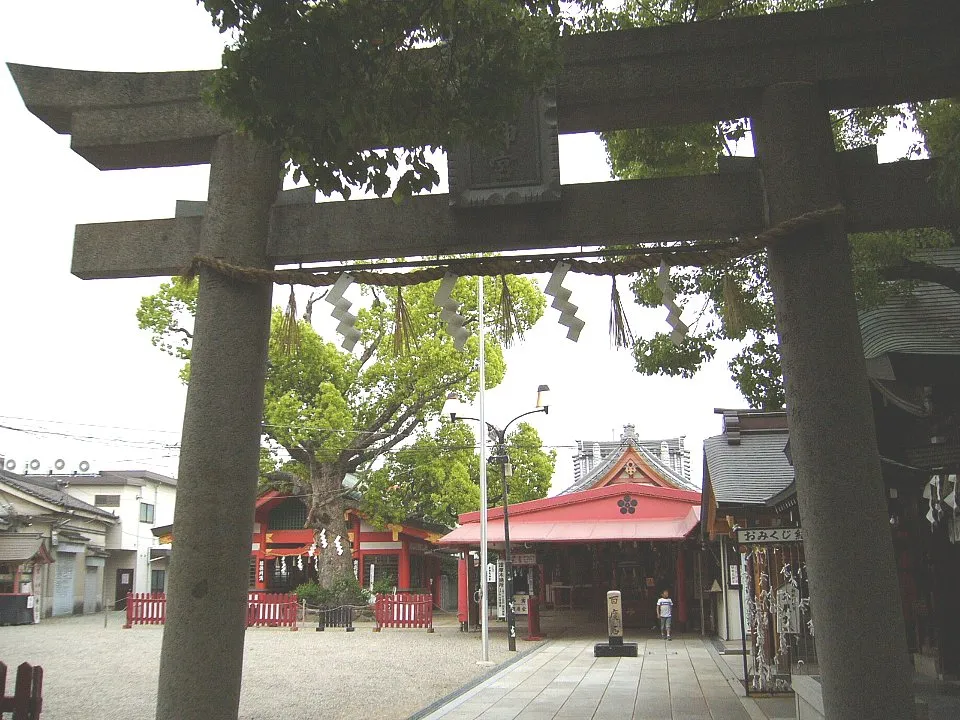
Quick facts
- Address
- 1-2-17 Hattorimotomachi, Toyonaka, Osaka
- Spiritual entities
- Tenjin (天神, Sugawara no Michizane)
About this place
Hattori Tenjingu is in Toyonaka, Osaka. When Sugawara no Michizane was being sent down to Dazaifu, he fell ill in the legs and could not move a step, and prayed here for that illness to be healed. Afterwards his spirit was enshrined together with what was then only a small hokora, and the shrine came to draw reverence from across the country as the deity of feet. Prayers for healing illness of the feet, and prayers of protection for the feet of people in sport, are offered here; the shrine describes its work as standing beside those who value their feet and those troubled by them.
Origin and history
When Sugawara no Michizane was being sent down to Dazaifu, he fell ill in the legs and could not move a step, and prayed here for that illness of the feet to be healed.
Afterwards his spirit was enshrined together with this shrine, which was then only a small hokora, and it came to draw reverence from across the country as the deity of feet.
Today prayers for the healing of illness in the feet, and prayers of protection for the feet of those engaged in sport, are offered here.
What it is locally associated with
The deity of feet
Michizane’s spirit was enshrined together with what was then a small hokora, and the shrine came to draw reverence nationwide as the deity of feet.
documented historyWhere he could not take a step
On the road down to Dazaifu, Michizane fell ill in the legs and could not move a step, and prayed here for that illness to be healed.
documented historyTwo prayers for the feet
Prayers for the healing of illness in the feet, and prayers of protection for the feet of people in sport.
documented history
What this shrine takes on is one part of the body. Not healing in general but the healing of feet. There are two prayers: for illness of the feet to be healed, and for the protection of the feet of people in sport. The shrine describes its own work as standing beside those who value their feet and those troubled by them.
The reason is on a road. Being sent down to Dazaifu, Michizane fell ill in the legs and could not take a step, and prayed here to be healed. This is the place where a journey stopped.
Another place on that same journey is on this list. Osaka Tenmangu stands where Michizane prayed for safe travel. One place where he asked, one where his legs gave out — two points on the same road.
And this shrine was here first. It was a small hokora, and his spirit was enshrined into something already standing.
Claims and evidence levels 3
- On the road down to Dazaifu, Sugawara no Michizane fell ill in the legs, could not take a step, and prayed here for healing. documented history
- His spirit was later enshrined with what was then a small hokora, and the shrine became revered nationwide as the deity of feet. documented history
- It offers prayers for healing illness of the feet and prayers of protection for the feet of people engaged in sport. documented history
Related guides
- How to visit a shrine or temple in JapanThe country-wide basics: purifying at the water basin, the two-bows-two-claps-one-bow form at shrines, and what temples do instead.
- What a "power spot" actually isA modern Japanese coinage, not a traditional religious category. Where the word came from, what it does and does not claim, and why this site uses it anyway.
- Shrine or temple?A shrine is Shinto and a temple is Buddhist, and you can usually tell at the gate. Why the line is cleaner on paper than on the ground, and what a government order in 1868 has to do with it.
- Omamori, ema, omikuji and goshuinThe four things you are most likely to receive, write, draw or be given at a shrine or temple, what each is actually for, and the one of them people most often get wrong.
Sources
- 足の祈願・各種ご祈願 — Hattori Tenjingu (accessed 2026-08-14)
- 服部天神宮 — Hattori Tenjingu (accessed 2026-08-14)
Last updated:
Similar places
8 places
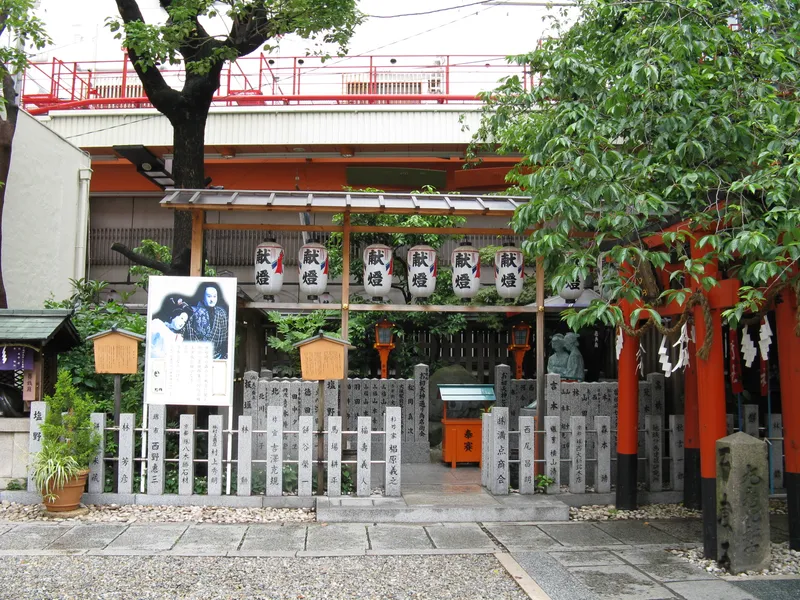 Shrine
Tsuyu no Tenjinsha
- Exams & Study
- Health & Healing
- Love & Romance
An old shrine of thirteen centuries whose grove was the scene of the double suicide behind Chikamatsu’s play, and where people now come to ask for love to come true.
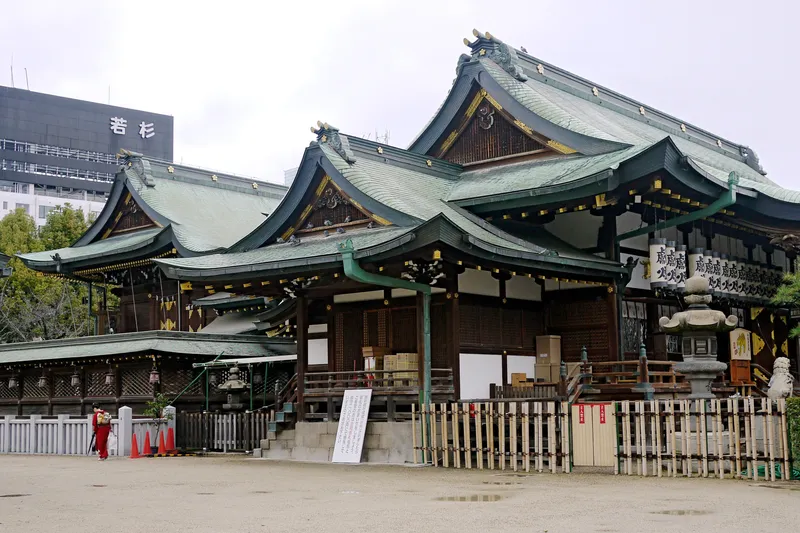 Shrine
Osaka Tenmangu
- Exams & Study
- Money & Prosperity
- Protection & Safety
Built by imperial order on the spot where Sugawara no Michizane prayed for a safe journey to Dazaifu, after seven pines grew there overnight and shone each night.
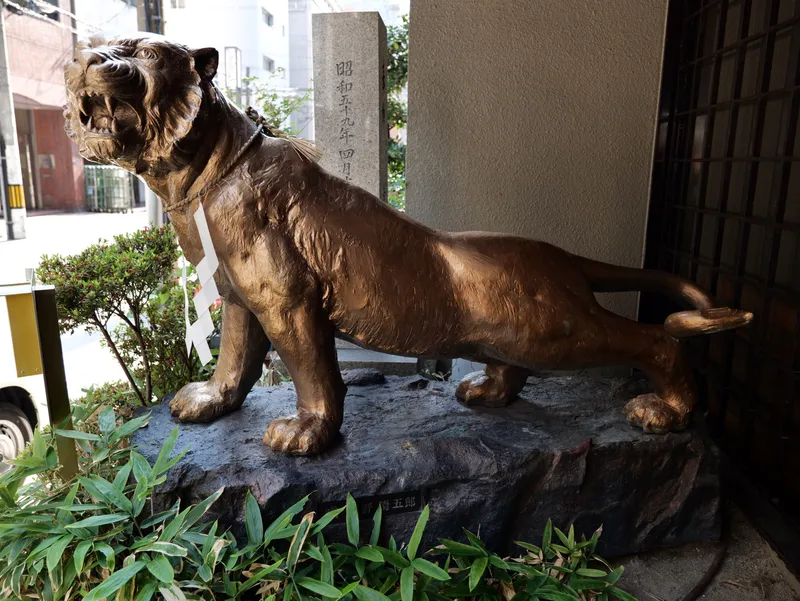 Shrine
Sukunahikona Jinja
- Health & Healing
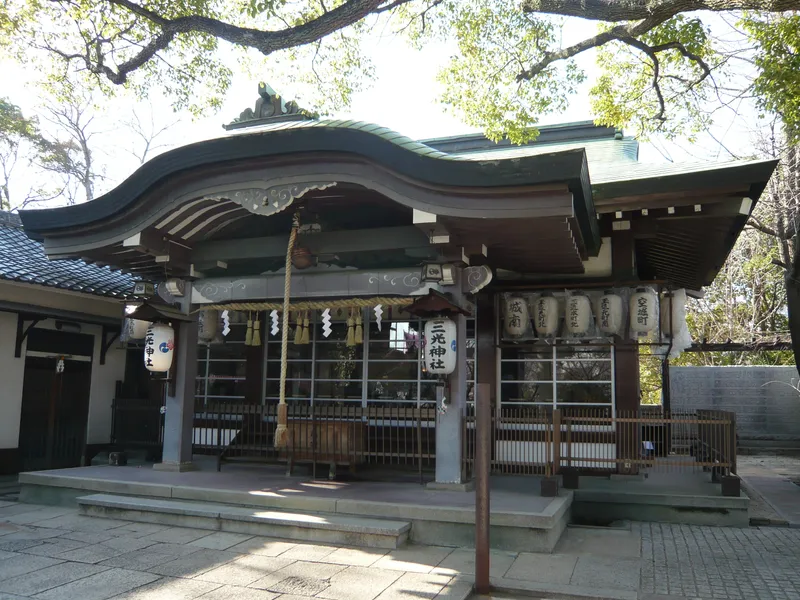
Founded in 1780 when the drug merchants of Doshomachi invited Sukunahikona into their guild meeting hall to sit beside Shennong.
 Shrine
Sanko Jinja
- Health & Healing
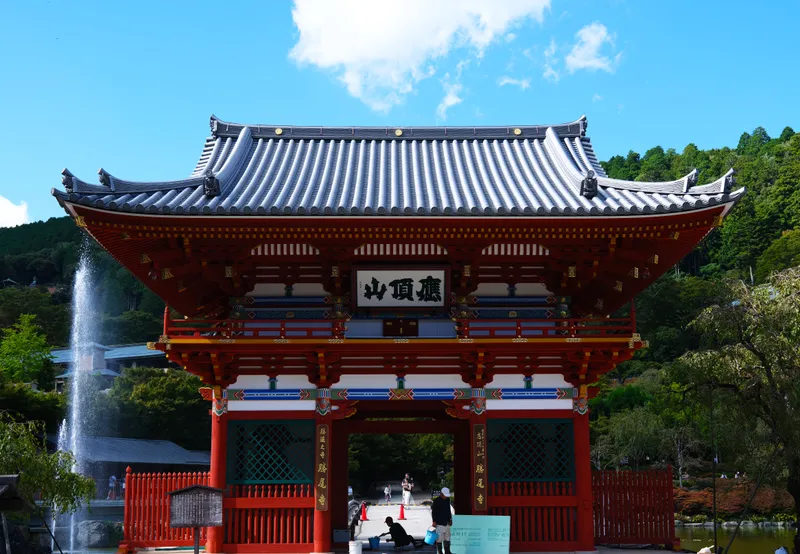
Known since antiquity as the only deity in all Japan for warding off palsy, with its rite held for seven days from 1 June each year.
 Temple
Katsuo-ji
- Exams & Study
- Health & Healing
- Protection & Safety
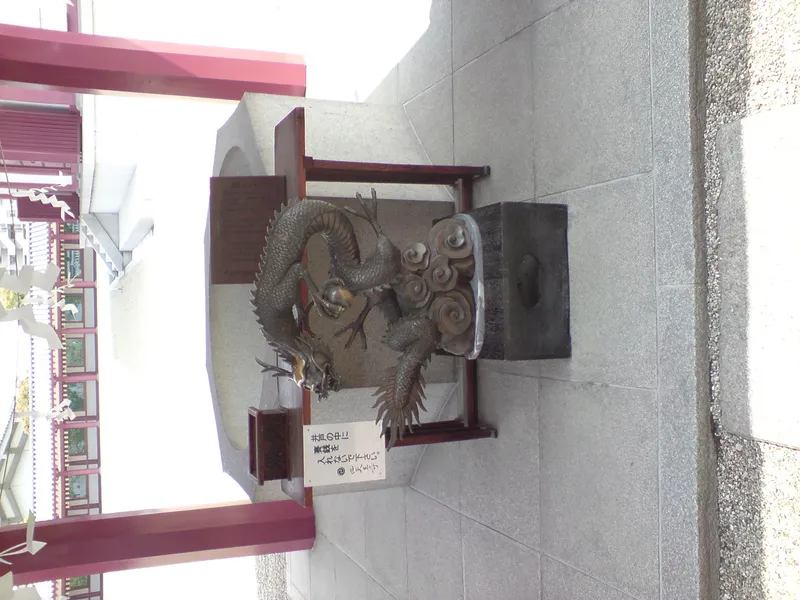
Begun in 727 when twin brothers built a hermitage on the mountain, and a temple of winning that defines winning as overcoming your own weak heart.
 Temple
Shitenno-ji
- Health & Healing
- Money & Prosperity
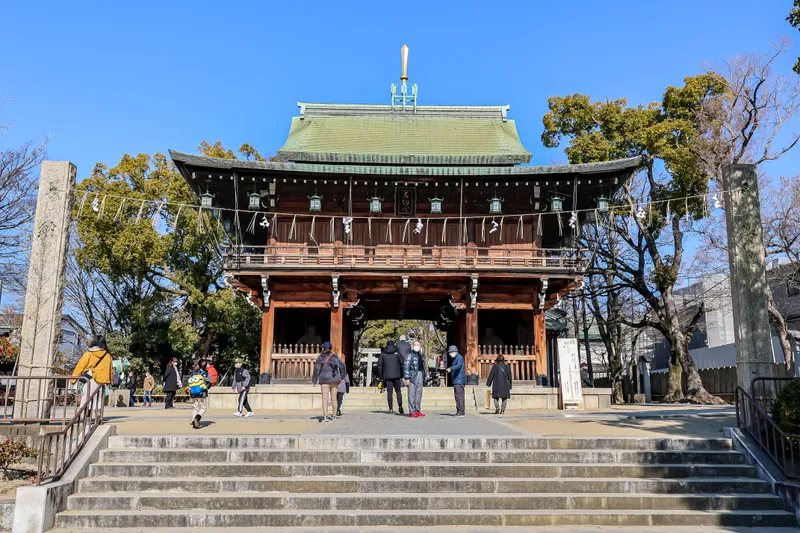
Founded in 593 when Prince Shotoku made good on a battlefield vow — Japan’s first official state temple, still praying daily for recovery from illness and prosperity in business.
 Shrine
Ishikiri Tsurugiya Jinja
- Health & Healing
- Skill & Mastery
Its name describes a divine power that cuts through solid rock, and it is known as the deity who heals growths and swellings.
 Temple
Chogosonshi-ji
- Family & Home
- Health & Healing
- Protection & Safety
Prince Shotoku is said to have perceived Bishamonten on this mountain at the tiger hour of the tiger day of the tiger year, and the temple received its name when Emperor Daigo recovered from grave illness.
No places match your filters