Kameido Tenjin Shrine
亀戸天神社 · Kameido Tenjin-sha · Kameido Tenmangu
Researched and translated with AI assistance. Every claim is linked to its source, but errors get through, so check the official site for opening times, fees and closures.About
In short
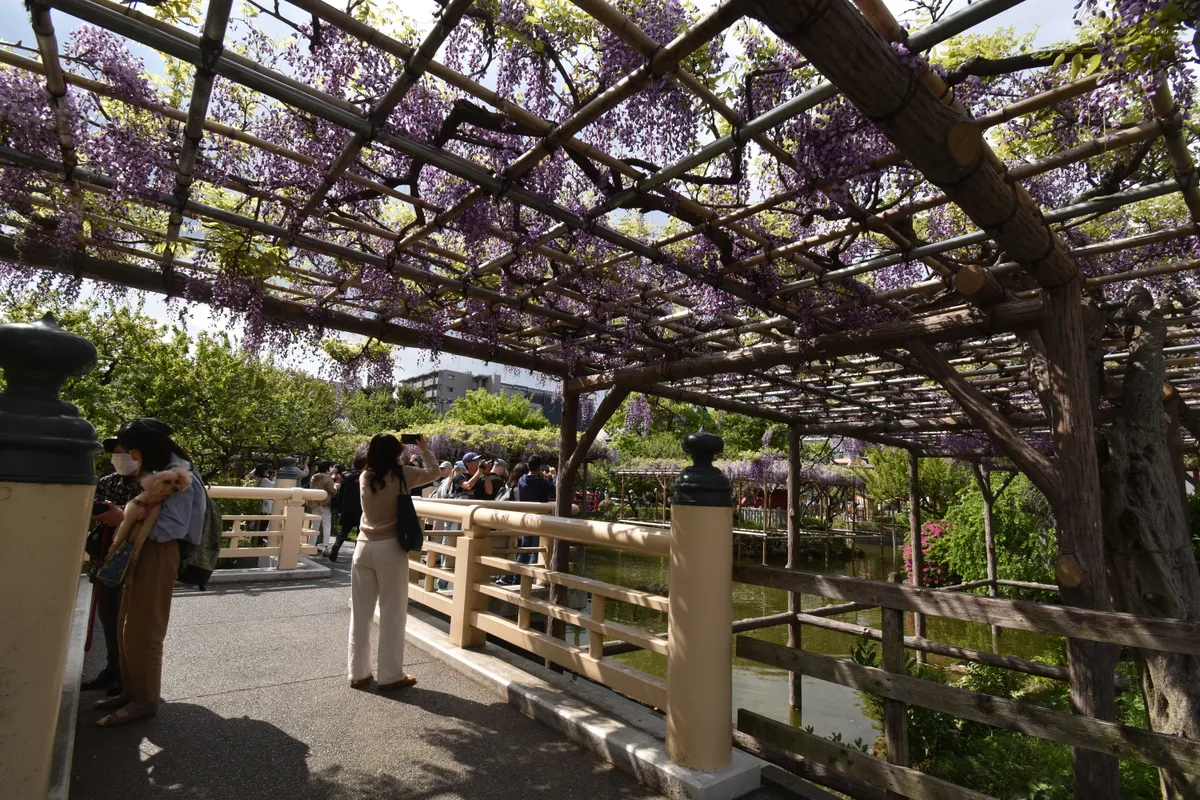
A Koto shrine laid out in 1662 on the model of Dazaifu Tenmangu, head of Tenjin devotion in eastern Japan, and the best place in Tokyo to see wisteria.
Quick facts
- Address
- 3-6-1 Kameido, Koto-ku, Tokyo 136-0071
- Access
- Kameido on the JR Sobu line is about fifteen minutes from the north exit, and Kinshicho, on the JR Sobu and Tokyo Metro Hanzomon lines, is about the same from its north exit.
- Hours
- Prayers are taken from 9:00 to 16:00 every day of the year at the office beside the main hall. No booking is taken for individuals; schools and companies must arrange in advance.
- Best time
- The wisteria festival in late April, when fifteen trellises come out over the pond. Plum in February and chrysanthemum in autumn are the other two.
- Spiritual entities
- Ame-no-Hohi (天穂日命) · Tenjin (天神, Sugawara no Michizane)
- Official site
- kameidotenjin-sha.jp
About this place
Kameido Tenjin was built to look like Dazaifu, the shrine in Kyushu where Sugawara no Michizane died, and the resemblance is the point: an arched drum bridge, a pond cut in the shape of the character for heart, and a hall at the far end. It has been the head shrine of Tenjin devotion in eastern Japan for about 360 years. In late April the wisteria trellises open over the water and the place is unrecognisable.
Origin and history
The shrine begins with one man carrying an image across the country. In 1646 Sugawara Otorii Nobusuke, a priest of Dazaifu Tenmangu in Kyushu and a descendant of Michizane, carved a figure of the deity from a branch of the flying plum at Dazaifu, following what he understood as an instruction from the deity, and travelled Japan to spread the devotion. He reached the village of Kameido in Honjo, on the eastern edge of Edo, and enshrined the image in a small Tenjin shrine that already stood there.
Honjo was then being laid out as reconstruction land after the Meireki fire. The fourth shogun, Ietsuna, who held Tenjin in great regard, granted the present site so the deity could be enshrined as the tutelary shrine of the new district.
On the twenty-fifth day of the tenth month of 1662 the shrine was built properly, following Dazaifu Tenmangu: halls, a covered corridor, the heart-shaped pond and the drum bridges. It has been revered since as the head shrine of Tenjin worship in eastern Japan.
What it is locally associated with
A copy of Dazaifu, on purpose
The halls, the corridor, the heart-shaped pond and the arched bridges were laid out in 1662 following the shrine in Kyushu where Michizane died.
documented historyLearning, and the writing of it
The shrine is revered as the deity of calligraphy as well as of study, and people come asking to improve at both.
documented historyThree bridges, three tenses
The bridges over the heart-shaped pond stand for the past, the present and the future, and crossing them is understood as cleansing the body and the mind.
local customAn ox you are meant to touch
The ox to the left of the main hall is the deity's messenger. Worshippers touch it, which is said to cure illness and to hand on wisdom.
local custom
Tenjin is Sugawara no Michizane, the scholar and minister who died in exile in 903 and was enshrined afterwards, and by the Edo period the devotion had settled into one thing above all others: study. Kameido carries that as an institution rather than as a reputation. It calls itself the head shrine of Tenjin worship in eastern Japan, and its own guide to the grounds says it is revered as the deity of calligraphy and petitioned for advancement in learning and improvement in writing. That is the single tag on this page. The head of its prayer list is study results and passing an examination, which is what you would expect.
The ox is the piece of this that visitors take part in. There is one to the left of the main hall, and the shrine says that touching it heals illness and grants wisdom. The ox is the messenger of the deity, which is why every Tenjin shrine has one and why every one of them is worn smooth in the same places.
Two more things in the grounds are Michizane rather than Tenjin, and are worth knowing apart. The statue of him at five years old was dedicated in 1977 for the great rite marking 1,075 years since his death, and the poem he composed at that age about a red plum is cut into its pedestal. The Kobaiden enshrines a seedling of the flying plum, the tree of the poem he wrote when he was sent away from the capital, and holds its own rite on 25 February, the day he died.
The rest of the year is flowers, and the shrine leans into it: plum in February, wisteria in late April over fifteen trellises, chrysanthemum in autumn. The wisteria over the arched bridges was already a subject for Edo printmakers, and it is the reason most people come now.
Claims and evidence levels 8
- The shrine enshrines Tenman Okami, that is Sugawara no Michizane, with Ame-no-Hohi, the ancestral deity of the Sugawara, in the same hall. documented history
- In 1646 Sugawara Otorii Nobusuke, a priest of Dazaifu Tenmangu and a descendant of Michizane, carved an image of the deity from a branch of the flying plum at Dazaifu and travelled the country to spread the devotion, enshrining it in a small existing Tenjin shrine at Kameido village in Honjo. documented history
- The fourth shogun, Tokugawa Ietsuna, granted the present site so the deity could be enshrined as the tutelary shrine of Honjo, which was then being developed after the Meireki fire. documented history
- On 25 October 1662 the shrine was built following the model of Dazaifu Tenmangu, with halls, a corridor, the heart-shaped pond and the drum bridges, and has been revered since as the head shrine of Tenjin devotion in eastern Japan. documented history
- The shrine states that it is revered as the deity of calligraphy and is petitioned for advancement in learning and improvement in writing. documented history
- The three bridges over the heart-shaped pond represent the past, the present and the future, and crossing them is held to cleanse body and mind. local custom
- The ox statue to the left of the main hall is the messenger of the deity, and the shrine says that worshippers touching it cures illness and grants wisdom. local custom
- The statue of Michizane at five years old was dedicated in 1977 for the rite marking 1,075 years since his death, with the poem he composed at that age about a red plum cut into its pedestal; the Kobaiden enshrines a seedling of the flying plum and holds its rite on 25 February. documented history
Visiting tips
The general form is in the visiting guide below. Specific to Kameido Tenjin:
Prayers are taken from 9:00 to 16:00 at the office beside the main hall, and no booking is taken for individuals. Schools and companies have to arrange in advance.
The drum bridges are steep and have no handrail worth the name. In the wisteria season the queue on them barely moves and the shrine gets very full.
The ox is meant to be touched. Almost nothing else is.
Related guides
- How to visit a shrine or temple in JapanThe country-wide basics: purifying at the water basin, the two-bows-two-claps-one-bow form at shrines, and what temples do instead.
- What a "power spot" actually isA modern Japanese coinage, not a traditional religious category. Where the word came from, what it does and does not claim, and why this site uses it anyway.
- Shrine or temple?A shrine is Shinto and a temple is Buddhist, and you can usually tell at the gate. Why the line is cleaner on paper than on the ground, and what a government order in 1868 has to do with it.
- Omamori, ema, omikuji and goshuinThe four things you are most likely to receive, write, draw or be given at a shrine or temple, what each is actually for, and the one of them people most often get wrong.
Sources
- Deities and history (御祭神・御由緒) — Kameido Tenjin Shrine (accessed 2026-08-02)
- Guide to the grounds (境内のご案内) — Kameido Tenjin Shrine (accessed 2026-08-02)
- Prayers (ご祈願) — Kameido Tenjin Shrine (accessed 2026-08-02)
- Access (交通案内) — Kameido Tenjin Shrine (accessed 2026-08-02)
Last updated:
Similar places
8 places
 Shrine
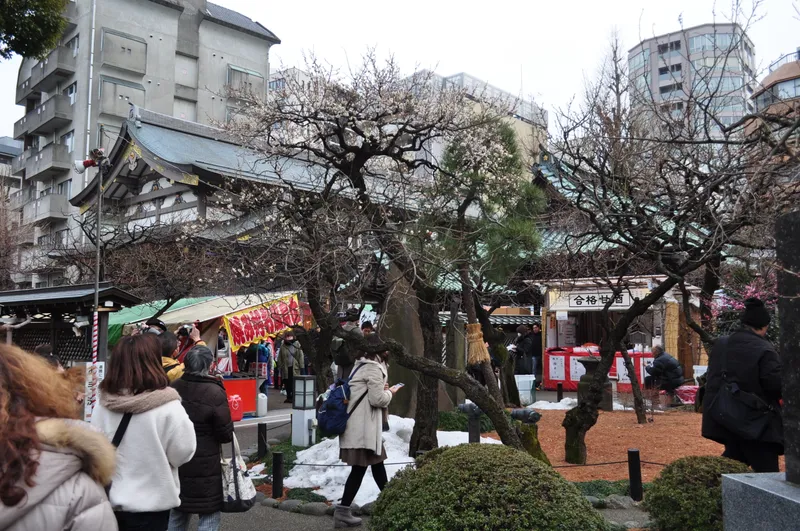
Yushima Tenmangu
- Exams & Study
A Bunkyo shrine enshrining Sugawara no Michizane, where Tokyo students come to pray before examinations, and whose plum garden opens each February.
 Shrine
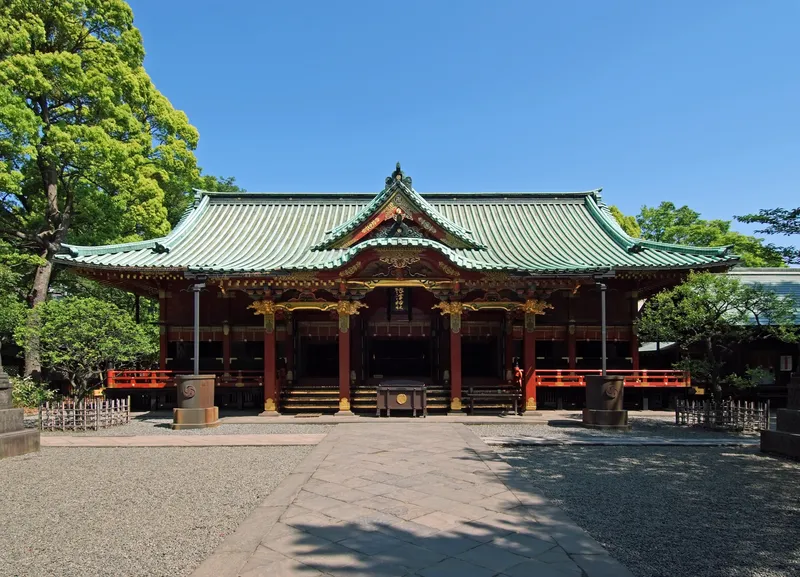
Nezu Shrine
- Career & Work
- Exams & Study
- Family & Home
A Bunkyo shrine whose entire 1706 complex survives intact as an Important Cultural Property, rare in Tokyo, with an azalea hill and a tunnel of small red torii (鳥居).
 Temple
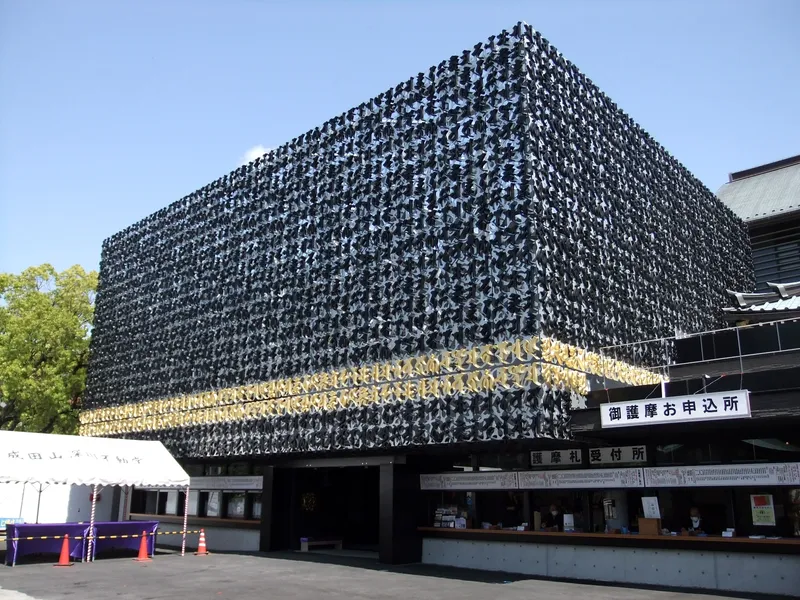
Fukagawa Fudo-do
- Protection & Safety
- Purification
The Tokyo branch of Naritasan Shinshoji, in Monzen-nakacho, where a goma fire rite is performed before Fudo Myoo several times a day.
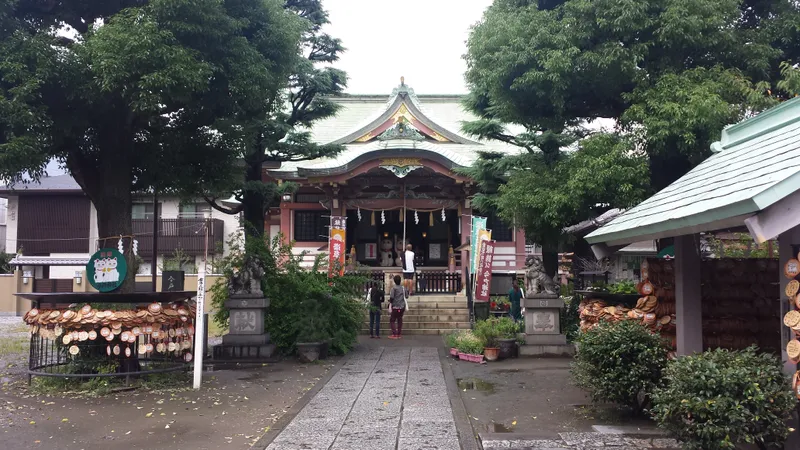 Shrine
Imado Shrine
- Love & Romance
- Bonds & Matchmaking
An Asakusa shrine founded in 1063 that calls itself a shrine of bond-tying, and which has run its own matchmaking gatherings since 2008.
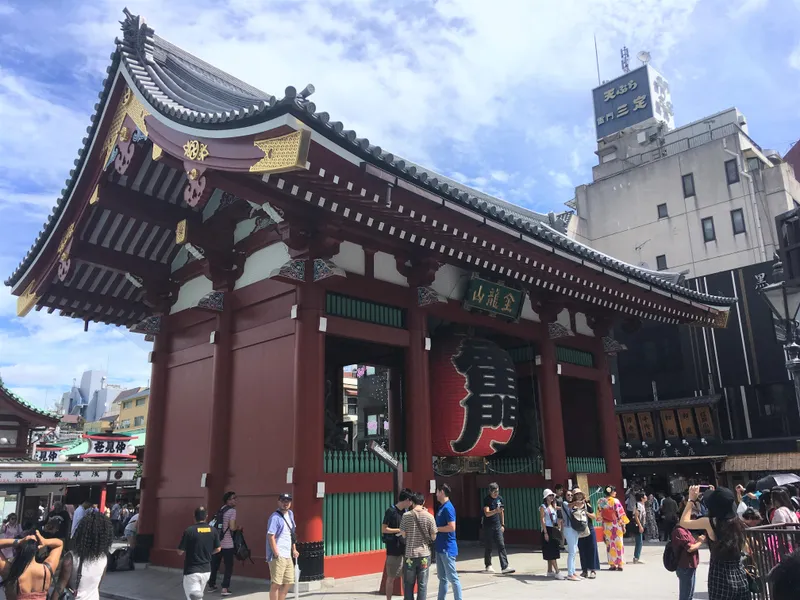 Temple
Senso-ji
- Money & Prosperity
- Protection & Safety
Tokyo's oldest temple, in Asakusa, built around a statue of Kannon that two fishermen brothers are said to have pulled from the river in 628, and visited today for prayers about money and protection.
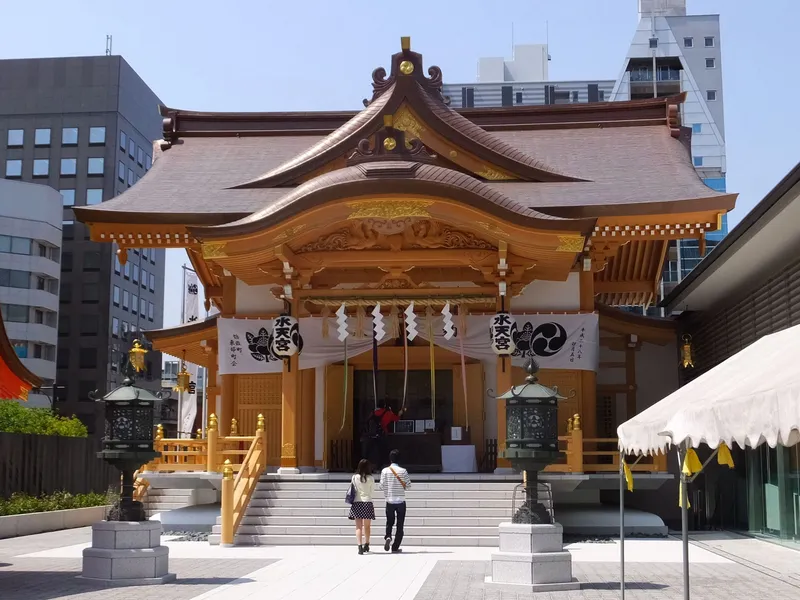 Shrine
Suitengu
- Family & Home
- Fertility & Children
- Protection & Safety
A Nihonbashi shrine long known for safe childbirth and for praying to conceive, whose safe-birth charm is a length of cotton worn as a belly band.
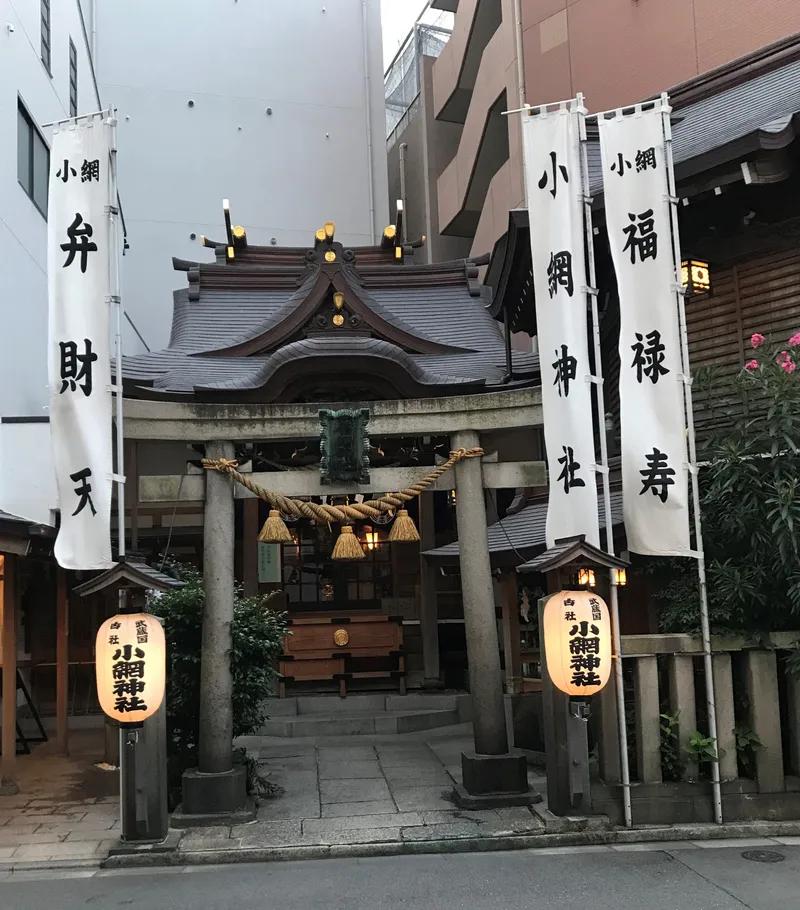 Shrine
Koami Shrine
- Money & Prosperity
- Protection & Safety
A small Nihonbashi shrine known as a deity of strong luck and warding off misfortune, with a well where visitors wash money and the only pre-war wooden shrine building left in the district.
 Shrine
Fukutoku Shrine
- Money & Prosperity
A small Nihonbashi shrine whose name means good fortune, which ran shogunate-licensed lotteries in the Edo period and still performs a prayer for winning one.
No places match your filters