Mihashira Shrine
Mihashira-gu
Researched and translated with AI assistance. Every claim is linked to its source, but errors get through, so check the official site for opening times, fees and closures.About
In short
A shrine of victory, fulfilment and comeback, enshrining Tachibana Muneshige, his father-in-law Bekki Dosetsu, and his wife Ginchiyo.
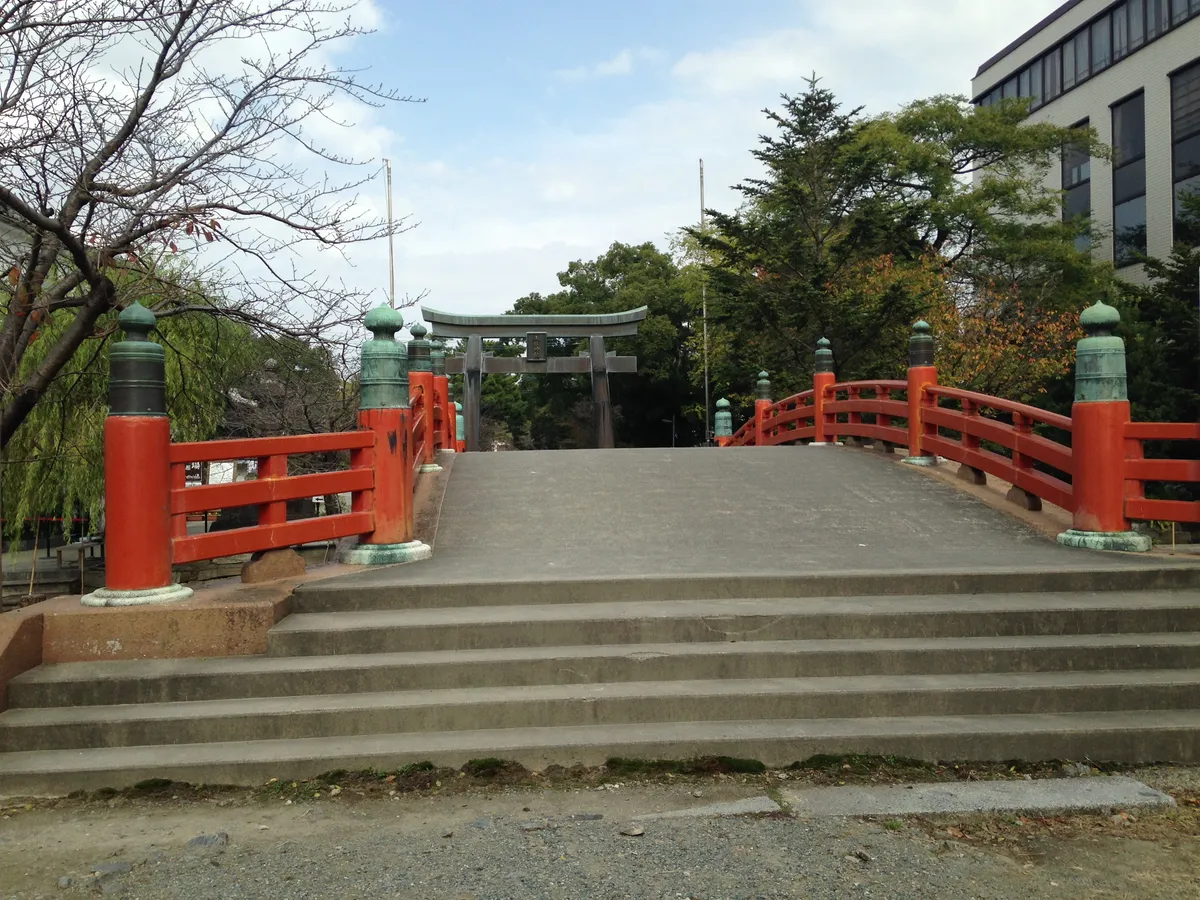
Quick facts
- Address
- 323-1 Takahata, Mitsuhashimachi, Yanagawa, Fukuoka
About this place
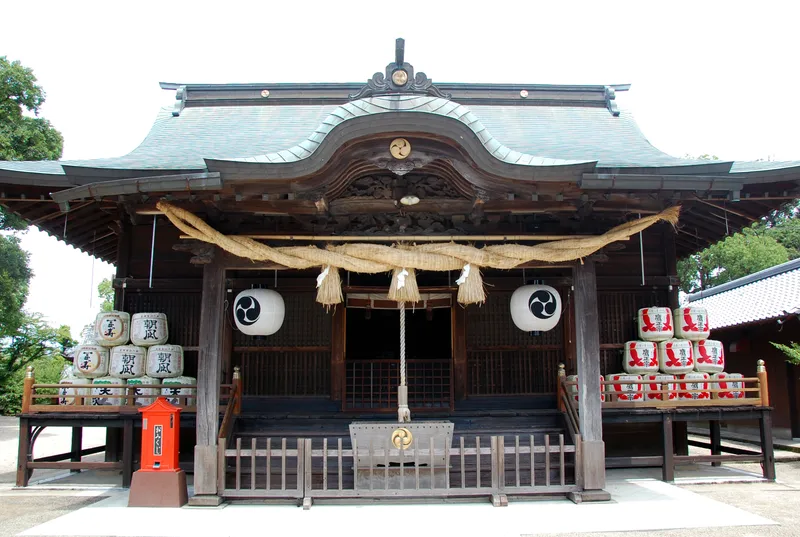
Mihashira Shrine is in Yanagawa, Fukuoka. Its deities are three: Tachibana Muneshige, first lord of the Yanagawa domain; his father-in-law Bekki Dosetsu; and Muneshige’s wife Ginchiyo. Its origin is 1783, when the seventh lord Tachibana Akiyuki built a shrine within the grounds of Chokyu-ji in the third bailey of Yanagawa Castle and enshrined Dosetsu there. In 1820 it was moved near Hiyoshi Shrine and called the Sole Shrine, and from the time it was merged into the Baigaku shrine it was renamed Mihashira-gu. In 1825 the ninth lord Tachibana Akikata, thinking it too small for enshrining the founder of the domain, moved it to its present site. It is held to be a shrine of victory, fulfilment and comeback; Muneshige is called the deity of comeback because after Sekigahara he alone among many lords was able to return to his domain.
Origin and history
Its origin is 1783, when the seventh lord Tachibana Akiyuki built a shrine within the grounds of Chokyu-ji in the third bailey of Yanagawa Castle and enshrined Dosetsu there.
In 1820 it was moved near Hiyoshi Shrine and called the Sole Shrine, and from the time it was merged into the Baigaku shrine it was renamed Mihashira-gu. In 1825 the ninth lord Tachibana Akikata, thinking it too small for enshrining the founder of the domain, moved it to its present site.
The deities are Tachibana Muneshige, Bekki Dosetsu and Ginchiyo. It is held to be a shrine of victory, fulfilment and comeback.
What it is locally associated with
The deity of comeback
It is a shrine of victory, fulfilment and comeback; Muneshige is called the deity of comeback for regaining his domain after Sekigahara when no other lord did.
documented historyOne household, three deities
The deities are Tachibana Muneshige, first lord of Yanagawa; his father-in-law Bekki Dosetsu; and his wife Ginchiyo.
documented historyMoved for being too small
In 1825 the ninth lord, thinking it too small for enshrining the founder of the domain, moved it to its present site.
documented history
This shrine enshrines a deity of comeback, and the reason is one career. After Sekigahara, Muneshige alone among many lords was able to return to his domain — a man who lost everything and got it back, and that single fact is the content of the devotion. Nothing else on this list is built on recovery from ruin.
The three enshrined here are one household: the first lord of Yanagawa, his father-in-law, and his wife Ginchiyo. A wife enshrined in her own right beside two commanders is uncommon here. At Domyoji Tenmangu in Osaka, Michizane’s aunt Kakujuni is likewise a deity in her own right.
The reason the shrine moved is unusual too. In 1825 the ninth lord thought it too small for enshrining the founder of the domain, and moved it. Several shrines on this list were moved to make room for castles; this is the only one that says it moved because it was not big enough.
The beginning was 1783, when the seventh lord built a shrine in the castle’s third bailey for Dosetsu alone. It took about forty years to become three.
Claims and evidence levels 2
- The shrine originated in 1783 when the seventh lord enshrined Bekki Dosetsu in the third bailey of Yanagawa Castle, and moved to its present site in 1825. documented history
- It is held to be a shrine of victory, fulfilment and comeback, Muneshige being called the deity of comeback for regaining his domain after Sekigahara. documented history
Related guides
- How to visit a shrine or temple in JapanThe country-wide basics: purifying at the water basin, the two-bows-two-claps-one-bow form at shrines, and what temples do instead.
- What a "power spot" actually isA modern Japanese coinage, not a traditional religious category. Where the word came from, what it does and does not claim, and why this site uses it anyway.
- Shrine or temple?A shrine is Shinto and a temple is Buddhist, and you can usually tell at the gate. Why the line is cleaner on paper than on the ground, and what a government order in 1868 has to do with it.
- Omamori, ema, omikuji and goshuinThe four things you are most likely to receive, write, draw or be given at a shrine or temple, what each is actually for, and the one of them people most often get wrong.
Sources
- 三柱神社について — Mihashira Shrine (accessed 2026-08-15)
Last updated:
Similar places
8 places
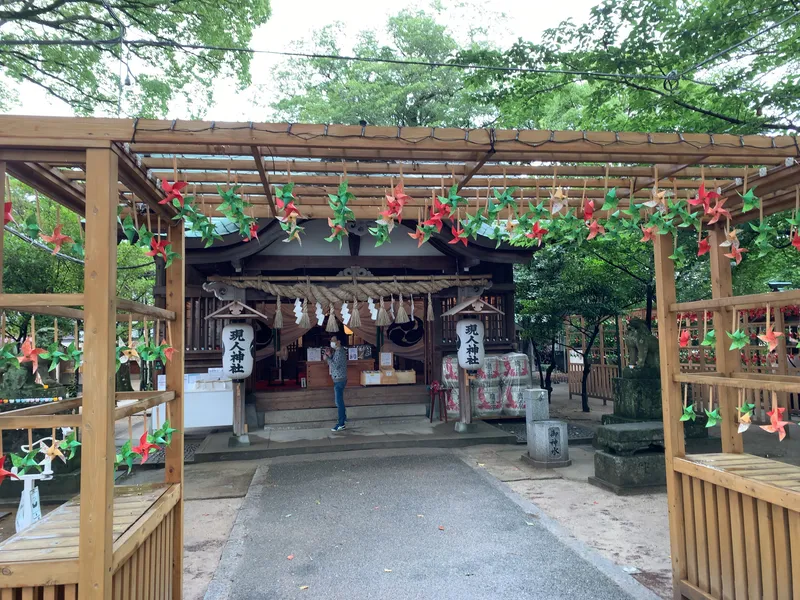 Shrine
Arahito Shrine
- Career & Work
- Money & Prosperity
A shrine that calls itself the root and the oldest of the two thousand-odd shrines to the three Sumiyoshi deities, revered as the deity of fortune in work.
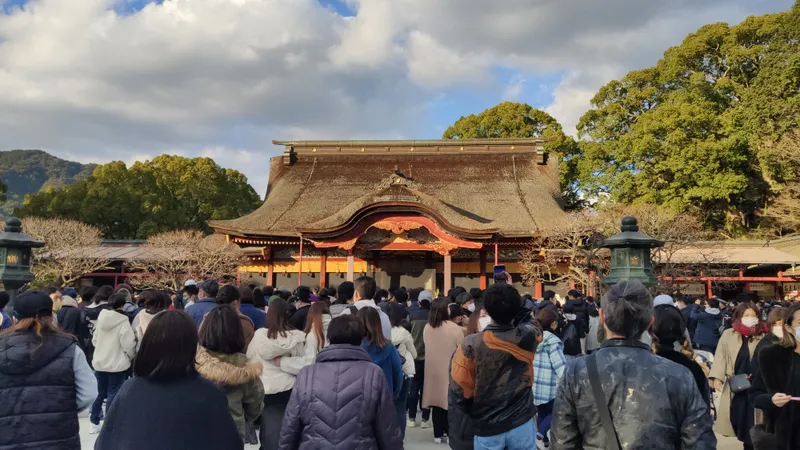 Shrine
Dazaifu Tenmangu
- Career & Work
- Exams & Study
- Fertility & Children
The shrine stands over Sugawara no Michizane’s grave, on the spot where the ox drawing his funeral cart lay down and would not move; prayers here begin with passing an entrance examination.
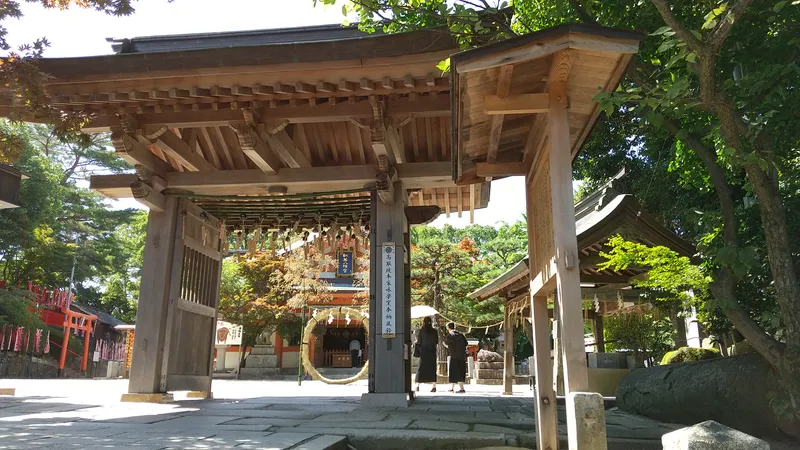 Shrine
Momiji Hachimangu
- Career & Work
- Fertility & Children
- Love & Romance
Twelve deities are enshrined here, among them Empress Jingu, Emperor Ojin and Prince Uji no Wakiiratsuko, and the devotion runs to safe birth, the keeping of children, warding off misfortune, bonds and advancement.
 Sacred Mountain
Hikosan Jingu
- Career & Work
- Protection & Safety
A mountain shrine that began as “the mountain of the sun’s child” and had its name altered twice by imperial act, in 819 and again in 1729; its virtues are the guarding of farming, mines and factory safety, and fortune in winning.
 Shrine
Miyajidake Shrine
- Wish Fulfillment
Empress Jingu is said to have prayed from this mountaintop before sailing — “grant me, I pray, an opening of fortune” — and the deity here is revered as one who grants any wish at all.
 Shrine
Shinozaki Hachiman Shrine
- Career & Work
- Fertility & Children
- Love & Romance
It begins with Empress Jingu giving birth to Emperor Ojin at Umi, and a division of the deity was brought from Usa Hachimangu in 730; two stones in the precinct carry different prayers.
 Shrine
Furougu
- Protection & Safety
A white heron appeared beside Empress Jingu’s ship and flew off, and where it came down became the sacred ground of this shrine of victory and of protection at sea.
 Shrine
Daizenji Tamataregu
A shrine to Tamatare, Hachiman and Sumiyoshi transmitted as founded some nineteen hundred years ago; in the Meiji suppression the temple half was abolished and only the shrine remained.
No places match your filters